Blog

  • ICE’s No-Bond Policy Declared Illegal by Denver Judge

    ICE’s No-Bond Policy Declared Illegal by Denver Judge

    A recent CBS News Report revealed a recent challenge to ICE’s no-bond policy denying immigration hearings to detainees. The policy, which had been in place since July, violated the U.S. immigration law and the due process rights of Nestor Gutierrez, a longtime Colorado resident from El Salvador. The judge ordered Gutierrez’s immediate release and a bond hearing, emphasizing that the government does not have unlimited power to detain noncitizens without due process. Gutierrez’s lawyer argued that the decision protects the constitutional balance of power in Colorado. 

    This challenge represents a significant step forward in the path to restoring fairness and accountability in immigration enforcement. Yet, it also highlights the ongoing emotional and financial strain that detention policies impose on families, separating parents from children and disrupting livelihoods built over decades. As courts continue to evaluate the limits of ICE’s authority, many families remain caught in uncertainty, waiting for justice and stability.

    If you or a loved one are facing immigration detention or deportation challenges, Pro Forma Immigration Attorneys in Denver stand ready to defend your rights with compassion and experience. Call us today at (303) 481-3494 for compassionate legal support and guidance through every step of your immigration case.

    How a Denver Immigration Lawyer Can Support Families

    Navigating the U.S. immigration system can be overwhelming, which is why having the right Denver immigration lawyer can make a big difference. We’re committed to making that difference at Pro Forma Immigration Attorneys. Our experienced legal team provides hands-on guidance for families facing complex immigration issues, from green card applications to deportation defense. We’re deeply committed to protecting your loved ones’ rights, simplifying legal challenges, and helping you achieve peace of mind through every stage of the process. Whether you’re reuniting with family abroad, seeking citizenship, or fighting unjust detention, Our skilled Denver immigration lawyers at Pro Forma will stand by your side with skill, compassion, and a proven track record of success.

    Family-Based Immigration & Green Card Petitions

    Family unity lies at the heart of immigration law. Our attorneys help U.S. citizens and lawful permanent residents file family-based petitions to bring their loved ones to the United States. We ensure all required documentation, such as Form I-130 and supporting evidence of bona fide relationships, is properly prepared and submitted. Pro Forma’s team also assists with adjustment of status applications for those already in the U.S., or consular processing for family members abroad. We help you avoid costly mistakes and long delays by guiding you through every step with clarity and care.

    Naturalization and Citizenship

    Becoming a U.S. citizen is one of the most important milestones for any immigrant family. Our attorneys provide comprehensive support throughout the naturalization process, from determining eligibility to preparing for the civics and English tests. We review your immigration history to ensure there are no surprises that could delay or jeopardize your application. By working with Pro Forma Immigration Attorneys, families can move confidently toward full citizenship and the security it provides for future generations.

    Bond Hearings & Detention Defense

    When a loved one is detained by immigration, it can create immense stress and uncertainty for the entire family. Our attorneys work quickly to request bond hearings, present evidence of community ties and family hardship, and argue for the detainee’s release while their immigration case proceeds. We also challenge unlawful detentions and advocate for the humane treatment of detainees. At Pro Forma, we understand that every day a family member spends in custody is a day too long, so we act swiftly to bring them home.

    Removal/Deportation Defense

    Deportation proceedings can tear families apart, but having a skilled Denver immigration lawyer can make all the difference. We represent clients in immigration court, defending against removal and pursuing every available form of relief, including asylum, cancellation of removal, waivers, and U visas for victims of crimes. Our firm meticulously reviews case files, gathers strong evidence, and crafts compelling arguments to help you stay in the United States. With Pro Forma Immigration Attorneys, you gain a fierce advocate who will fight tirelessly to protect your family’s future.

    Consultations, Strategy & Ongoing Support

    Every immigration journey is unique, and success begins with a sound legal strategy. During a consultation, our attorneys take the time to understand your goals, background, and challenges before developing a personalized plan of action. Whether you’re just beginning the immigration process or dealing with a sudden legal issue, we’ll help you identify the most effective and affordable options available. Our ongoing support includes preparing filings, tracking your case status, and keeping you informed of every development, so you never feel alone in the process.

    ICE’s No-Bond Policy Declared Illegal by Denver Judge

    Understanding ICE’s No-Bond Policy and Its Impact on Immigrant Families

    The federal court’s decision to strike down ICE’s no-bond policy highlights the human cost of overly harsh immigration enforcement. By denying bond hearings, families across Colorado have been separated for months while their loved ones remain detained without due process. This ruling is a reminder that immigrant rights are human rights and that legal intervention can restore fairness to the system. A Denver immigration lawyer can provide dedicated representation to individuals and families impacted by detention or deportation, ensuring that every person has a fair chance to be heard in court.

    The Legal Significance of the Denver Judge’s Decision

    The court’s ruling against ICE’s no-bond policy is a landmark affirmation of due process in immigration law. By declaring the policy unlawful, the judge reinforced that immigration authorities must operate within the bounds of the Constitution and established statutes. This decision may influence similar cases nationwide, setting a precedent for greater judicial oversight of detention practices and protecting the civil rights of immigrants in custody.

    Ensuring Accountability in Immigration Enforcement

    The decision emphasizes that federal agencies cannot reinterpret immigration laws at will. It sends a message that policies must reflect Congress’s intent and the protections guaranteed by the U.S. Constitution. This helps preserve the balance of power between the executive and judicial branches and ensures that no agency has unchecked authority over immigrant detention.

    Implications for Future Immigration Cases

    This ruling could open the door for more challenges to restrictive detention policies and inspire class-action efforts aimed at securing fair treatment for detainees. As courts continue to review ICE’s practices, similar lawsuits may push for transparency and reform in how immigration law is applied nationwide. In the long term, this decision may encourage immigration judges and federal courts to more closely scrutinize government detention procedures and policies that limit access to bond hearings or due process. It underscores that no agency is above the law and that policies impacting liberty and family unity must align with constitutional principles.

    How This Decision Strengthens Due Process Nationwide

    By reaffirming that all individuals, regardless of citizenship status, are entitled to a fair hearing before being deprived of their liberty, the ruling reinforces the constitutional values that underpin the nation’s justice system. This precedent reminds federal agencies that immigration enforcement must respect both statutory limits and fundamental rights. It may also prompt other courts to reexamine detention procedures, ensuring that noncitizens have meaningful opportunities to challenge their confinement. Across the country, immigration lawyers and advocacy groups are likely to use this case to push for consistent judicial oversight, fair bond determinations, and the reduction of unnecessary or prolonged detentions.

    The Importance of a Denver Immigration Lawyer in Protecting Immigrant Rights

    In a system as complex as U.S. immigration law, professional legal representation can be the difference between freedom and prolonged detention. Immigration lawyers play a critical role in holding the government accountable, upholding constitutional protections, and ensuring that justice is accessible to everyone. Their work doesn’t just change individual outcomes; it helps shape national standards of fairness and due process.

    A skilled immigration attorney brings both legal expertise and moral clarity to a system that often feels impersonal and intimidating. Whether challenging unlawful detention, securing release through bond, or filing appeals in federal court, lawyers serve as the last line of defense against bureaucratic overreach and human suffering.

    How Immigration Attorneys Challenge Unlawful Detention Practices

    Legal professionals use the courts to challenge government overreach, fight for bond hearings, and advocate for due process. Each successful case helps build stronger legal precedent for future detainees, expanding protections nationwide. Attorneys gather evidence, prepare detailed legal briefs, and present compelling arguments that demonstrate why policies like the no-bond rule violate established law.

    Through litigation and advocacy, these professionals force agencies to comply with constitutional safeguards and remind the public that the rule of law applies to everyone. Their work has a cumulative effect; each victory not only frees individuals but also strengthens the legal foundation for future challenges to unlawful enforcement practices.

    Supporting Fairness and Dignity in the Legal Process

    Attorneys not only represent clients in court but also ensure they are treated with respect and humanity. Many immigrants in detention face language barriers, limited access to counsel, and a lack of understanding of their rights. A compassionate Denver immigration lawyer bridges that gap by providing clear communication, emotional support, and consistent advocacy.

    Building a Fairer Immigration System Through Accountability

    This case serves as a reminder that accountability is the cornerstone of any just legal system. By holding ICE to constitutional standards, the Denver court reaffirmed that immigration enforcement must operate within the rule of law, not above it. True justice requires transparency, oversight, and respect for fundamental rights.

    Judicial rulings like this one demonstrate that government agencies must answer for their actions when they overstep legal boundaries. Accountability not only prevents future abuses but also restores faith in institutions that serve the public.

    The Role of the Judiciary in Preventing Overreach

    Courts serve as a check on executive power, ensuring that immigration agencies follow established statutes rather than create new interpretations that limit rights. Judicial review ensures a fair balance between enforcement priorities and individual protections. Without oversight, policies like the no-bond rule could continue unchecked, undermining both justice and democracy.

    By stepping in to strike down unlawful policies, the judiciary reasserts its vital role in maintaining the separation of powers, which is a foundation of the U.S. Constitution. This oversight protects vulnerable populations while reinforcing the principle that no agency, no matter how powerful, is above the law.

    Strengthening Public Trust in the Immigration System

    When courts intervene to correct unlawful practices, they reinforce public confidence in the fairness of the system. Upholding due process restores legitimacy to immigration enforcement and demonstrates that justice applies to all who seek it. This transparency builds trust not only within immigrant communities but also among the broader public, who depend on a consistent and principled legal framework.

    Accountability fosters a system where enforcement is both effective and ethical, balancing national security with human rights. As cases like this continue to reshape immigration policy, the result will ideally be a more transparent, humane, and equitable process for all who call the U.S. home. 

    What to Expect When Meeting With a Denver Immigration Attorney

    Scheduling a consultation with an immigration attorney can feel intimidating, especially for individuals and families already facing uncertainty. However, understanding what to expect during that first meeting can make the experience far more comfortable and productive. Immigration attorneys are trained to listen, guide, and advocate, helping you take control of your legal situation with confidence and clarity.

    Preparing for Your Consultation

    Before meeting with a Denver immigration lawyer, it’s important to gather all relevant documents and information. This may include passports, visas, prior immigration applications, court notices, and any correspondence with government agencies such as U.S. Citizenship and Immigration Services or ICE. Having these materials ready allows your attorney to accurately assess your situation and identify the most effective path forward. You should also prepare a brief timeline of your immigration history, including when and how you entered the country, your current status, and any previous interactions with immigration officials. This context helps your lawyer spot potential challenges or opportunities early in the process.

    What Happens During the Initial Meeting

    The first consultation is typically a conversation about your background, goals, and legal concerns. The attorney will review your documents, ask clarifying questions, and discuss possible options for your case. In many cases, they’ll outline next steps, such as filing petitions, applying for relief, or preparing for a bond or court hearing. A good immigration attorney will also explain the potential outcomes of your case, expected timelines, and legal fees in clear, transparent terms. The goal is not only to assess your eligibility for certain benefits or defenses but also to build trust and ensure you feel informed and supported.

    Establishing a Foundation for Ongoing Representation

    If you decide to move forward after the consultation, the attorney will begin developing a detailed legal plan. This may include filing immediate motions for release if you or a loved one is detained, submitting immigration petitions, or creating a long-term roadmap toward lawful status or citizenship. At this stage, clients often feel a renewed sense of control, knowing that their attorney will handle communications with government agencies, meet critical deadlines, and ensure no procedural steps are missed. For many families, having an experienced advocate brings peace of mind during what can otherwise be an overwhelming process.

    Common Misconceptions About Immigration Consultations

    Many people hesitate to meet with an immigration attorney because they believe myths or misunderstandings about the process. In reality, consultations are meant to inform and empower you not to pressure, intimidate, or judge. By clearing up these misconceptions, individuals and families can approach their first meeting with confidence and clarity.

    “I Have to Hire the Attorney After the First Consultation”

    One of the most common myths is that scheduling a consultation automatically means you must hire the attorney. This is not true. The initial meeting is designed to help you understand your legal options, not to make an immediate commitment. During the consultation, the attorney will review your documents, explain potential strategies, and discuss next steps. You are always free to take time to think about your decision or consult with other attorneys before moving forward.

    A good Denver immigration lawyer will never pressure you into hiring them on the spot. Instead, they’ll focus on providing value during your first meeting, offering honest advice, clear explanations, and the information you need to make the best decision for your future.

    “I Don’t Need a Consultation If My Case Is Simple”

    Even cases that appear straightforward can involve complex legal issues. Immigration law changes frequently, and small details, such as prior travel history, criminal charges, or visa expiration dates, can drastically affect eligibility or timelines. An experienced attorney can identify hidden risks early and help you avoid costly mistakes. A consultation provides peace of mind and clarity about your options, even if your situation seems uncomplicated. Many clients discover important opportunities or alternative legal paths they hadn’t considered before meeting with an attorney.

    “Consultations Are Only for People Facing Deportation”

    While consultations are critical for individuals in detention or removal proceedings, they are just as valuable for people seeking green cards, citizenship, family-based visas, or asylum. Immigration attorneys assist clients at every stage of the process, from initial filings to appeals and long-term legal planning. Meeting with an attorney before problems arise can actually prevent them later. Early legal guidance ensures your applications are complete, your documents are properly prepared, and your rights are protected throughout your immigration journey.

    “I Can’t Afford to Speak With an Immigration Attorney”

    Many people avoid consultations because they assume legal advice is unaffordable. That said, most immigration attorneys offer low-cost or flat-fee consultations. In some cases, nonprofit organizations or pro bono programs provide free initial meetings for individuals with limited resources. A short, affordable consultation can save you far more in the long run by preventing application errors, denials, or unnecessary delays. Investing in professional guidance early often leads to faster, more successful outcomes and fewer unexpected expenses later.

    “An Attorney Can Guarantee the Outcome of My Case”

    No attorney can promise a specific result, and anyone who does should raise a red flag. Immigration outcomes depend on many factors, including eligibility requirements, supporting evidence, and the discretion of immigration officers or judges. In a big city like Denver, there are many complex components that all intersect. What a qualified Denver immigration lawyer can guarantee is professional representation, honesty, and dedication. They will give you a realistic understanding of your case, communicate clearly about challenges, and fight for the best possible outcome.

    “It’s Too Late to Talk to an Attorney About My Case”

    Many individuals believe that if their application has already been denied or if they are already in removal proceedings, there’s nothing an attorney can do. This couldn’t be further from the truth. Attorneys can help with appeals, motions to reopen or reconsider, stays of removal, and other forms of relief even after unfavorable decisions.

    The sooner you reach out, the more options you may have. Immigration law is full of deadlines and procedural requirements, so taking action quickly is essential. Consulting with an attorney early, even after a setback, can be the first step toward correcting errors and regaining control of your situation.

    ICE’s No-Bond Policy Declared Illegal by Denver Judge

    Why Immigrants in Denver Need Strong Legal Representation

    Immigration law in the United States and in Denver is complicated and constantly changing. Without skilled representation, families risk being separated or losing their opportunity for lawful status. Working with a Denver immigration attorney ensures that you understand your rights, avoid costly mistakes, and take advantage of every available legal remedy. An immigration attorney who specializes in bond hearings, asylum applications, family-based petitions, and deportation defense can provide personalized strategies for every unique situation.

    Understanding the Complexity of U.S. Immigration Law and Policy

    The U.S. immigration system involves an intricate network of regulations, agencies, and procedures that can be overwhelming to navigate alone. From visa applications and adjustment of status to naturalization and appeals, every step requires careful attention to detail. An experienced Denver immigration lawyer can interpret these laws, help you avoid common mistakes, and guide you through the process with confidence and clarity.

    Protecting Legal Rights During Immigration Proceedings

    Individuals facing detention or deportation often experience fear, confusion, and uncertainty. A skilled attorney ensures that due process is upheld and that your case is handled fairly. Whether presenting evidence, requesting bond hearings, or challenging removal orders, your lawyer serves as your voice in court, protecting your legal and human rights throughout the process.

    Developing Personalized Strategies for Immigration Success

    Every immigration journey is different. A trusted legal advocate takes the time to understand your goals, background, and family situation before designing a customized legal strategy. By analyzing your eligibility, identifying potential challenges, and preparing comprehensive documentation, an attorney helps you build the strongest possible case for your future in the United States.

    Supporting Families Through Detention, Bond, and Relief Efforts

    When a loved one is detained, the impact on families can be devastating. Immigration lawyers play a vital role in securing release through bond hearings and in demonstrating community ties and family hardship. Legal representation not only improves the chance of release but also ensures that the detained individual’s rights are respected and their case is handled properly.

    Guiding Clients Through the Path to Citizenship

    For many, becoming a U.S. citizen marks the culmination of years of effort and perseverance. Attorneys assist with the naturalization process, from reviewing eligibility to preparing for interviews and exams. They help identify and resolve potential issues, such as prior travel, tax concerns, or missing documentation, to ensure a smooth path toward citizenship.

    Overcoming Obstacles and Navigating Immigration Challenges

    Immigration cases often face obstacles such as lost paperwork, long wait times, or changing legal standards. A proactive attorney helps you anticipate these challenges, communicate with immigration agencies, and respond effectively to requests for additional evidence. Their guidance ensures your case stays on track and your opportunities for success remain strong.

    Providing Compassionate Support and Clarity Throughout the Process

    Beyond legal strategy, immigration lawyers offer emotional support and reassurance during uncertain times. They keep clients informed, answer questions clearly, and advocate for their best interests every step of the way. Having a professional on your side means less stress, fewer surprises, and greater confidence in your immigration journey.

    Empowering Immigrants to Build Secure, Stable Futures

    Strong legal representation helps immigrants protect their families, achieve stability, and create lasting opportunities in the United States. In an ever-changing legal landscape, partnering with an experienced immigration attorney is one of the most important steps toward ensuring a fair process and a brighter future. 

    Consult With a Denver Immigration Lawyer Today

    Immigration enforcement can be an overwhelming and deeply emotional experience. Families often face fear, confusion, and uncertainty when confronted with detention, deportation, or complex immigration paperwork. Having a compassionate and understanding Denver immigration lawyer can make all the difference. The right lawyer not only provides legal knowledge but also empathy, helping you stay calm, informed, and confident throughout the process. Whether you’re seeking a bond hearing, applying for lawful status, or defending against removal, professional guidance ensures your rights are protected and your voice is heard. In today’s evolving immigration landscape, having a knowledgeable attorney by your side is essential to protecting your rights, securing your future, and building the life you deserve. 

    At Pro Forma Immigration Attorneys, we understand that every case represents a person’s life, family, and future. Our experienced legal team works tirelessly to support individuals and families across Colorado with care, dedication, and proven results. If you or a loved one is facing immigration challenges, don’t wait to get the help you deserve. Reach out to Pro Forma Immigration Attorneys today for trusted legal support and clear direction in navigating your case. Call (303) 481-3494 or contact us online to schedule a consultation and take the first step toward security, stability, and peace of mind.

     

  • Fear of ICE Impacts Flea Market Vendors and Shoppers in Denver

    Fear of ICE Impacts Flea Market Vendors and Shoppers in Denver

    Fear of ICE Impacts Flea Market Vendors and Shoppers in Denver

    A recent CBS News Colorado report reveals how immigration enforcement concerns are reshaping daily life for many families in Denver. Published on June 18, 2025, the article explains that vendors and shoppers at a once-thriving flea market have seen sales and participation decline as fear of Immigration and Customs Enforcement discourages attendance. What was once a bustling community gathering space now reflects the anxiety and uncertainty that immigrant families face when they simply try to work, shop, and connect with their neighbors. The ripple effects of this decline extend far beyond lost revenue. Small businesses, many of which are owned by immigrant families, rely on flea markets and community spaces as critical lifelines for income and support. When fear drives people away, it disrupts livelihoods, isolates communities, and erodes trust. These challenges emphasize how immigration policies and enforcement practices can have a deep social and economic impact on Denver residents. If you or your family are experiencing stress due to immigration enforcement in Colorado, the team at Pro Forma Immigration Attorneys is here to help. Our Denver immigration lawyers understand these challenges and is committed to protecting your rights. Call us today at (303) 481-3494 for compassionate legal support.

    How an Immigration Lawyer Can Protect Families Facing Immigration Enforcement in Denver, CO

    Families across Denver face growing uncertainty as immigration enforcement disrupts daily life. When parents or loved ones worry about detention or deportation, the stress often impacts children, jobs, and entire communities. A trusted Denver immigration attorney provides essential protection by guiding families through complex laws and offering practical solutions that safeguard their future. At Pro Forma Immigration Attorneys, we help families understand their rights, prepare for unexpected challenges, and fight for stability in the face of immigration enforcement.

    Legal Guidance for Families Impacted by ICE Actions

    Immigration law in the United States is often difficult to navigate without professional support. Families who face the threat of enforcement actions may not fully understand their rights. A knowledgeable Denver immigration lawyer helps families interpret local policies, federal laws, and recent court decisions that influence immigration enforcement. By working with an experienced legal advocate, families gain clarity and confidence when dealing with unpredictable circumstances.

    Preparing Families Before an Immigration Arrest Occurs

    Preparation can reduce the chaos and fear that often accompany immigration arrests. Families who consult an immigration attorney in Denver learn how to develop safety plans, collect important documents, and establish power of attorney arrangements. These steps give families the ability to make informed decisions quickly if enforcement officers come to their home or workplace. Resources such as the American Immigration Council explain why early planning is one of the most effective tools for protecting immigrant households.

    The Role of Safety Plans in Protecting Children

    Safety plans allow parents to decide in advance who will care for their children if they are detained. A Denver family immigration lawyer can help draft clear instructions so schools, caregivers, and relatives understand the family’s wishes. Without a plan in place, children risk entering foster care or facing uncertainty during a parent’s absence.

    Document Preparation to Reduce Legal Delays

    Families who gather birth certificates, passports, and financial records before an emergency often avoid unnecessary delays. A qualified immigration attorney advises which documents will be critical for future court hearings or visa applications. Legal experts also recommend keeping copies in a safe location that family members can access when needed.

    Why Power of Attorney Matters for Parents

    Parents who grant power of attorney ensure that trusted relatives or friends can make decisions about schooling, medical care, or financial matters if they are detained. This legal step protects children from instability and allows daily life to continue even during immigration proceedings.

    Representation in Removal Proceedings

    When deportation proceedings begin, families need immediate legal representation. A Denver deportation defense lawyer can challenge the government’s case, request bond hearings, and argue for relief under humanitarian protections. According to the Executive Office for Immigration Review, representation dramatically increases the likelihood of success for immigrants facing removal. Without a lawyer, families often struggle to present evidence, understand court procedures, or identify available forms of relief.

    Bond Hearings and Family Stability

    Bond hearings allow detained immigrants to request release while their case is pending. Attorneys advocate for fair bond amounts and present evidence of community ties, employment, and good character. Release on bond allows families to remain together and prepare a stronger defense.

    Relief Options Available in Denver Immigration Courts

    Several forms of relief are available for immigrants who qualify, including asylum, cancellation of removal, and adjustment of status. A local immigration lawyer identifies which options apply to each individual and builds a persuasive case. Courts require strict adherence to filing deadlines, and attorneys ensure that applications are submitted correctly and on time.

    Asylum and Humanitarian Protections

    Immigrants fleeing persecution may apply for asylum if they meet certain requirements under federal law. Legal guidance is essential because asylum claims involve detailed evidence and testimony. The U.S. Citizenship and Immigration Services provides guidelines on eligibility, but families often need professional representation to succeed.

    Cancellation of Removal for Long-Term Residents

    Cancellation of removal is a form of relief available to certain long-term residents who can demonstrate good moral character and hardship to family members. A Denver immigration attorney presents documentation, testimony, and legal arguments that highlight the impact of deportation on U.S. citizen children and spouses.

    Adjustment of Status and Pathways to Residency

    Some individuals may qualify to adjust their status and become lawful permanent residents. This process is complex, requiring eligibility through family sponsorship or employment opportunities. Attorneys ensure that families pursue the right pathway and avoid errors that could jeopardize their chances.

    Protecting Families Through Community Support

    Beyond the courtroom, Denver immigration attorneys often connect families with nonprofit organizations, churches, and advocacy groups. Local resources provide housing assistance, language support, and financial aid during times of hardship. Groups like the Colorado Immigrant Rights Coalition offer community-based advocacy and help families understand their rights in Colorado.

    Collaboration Between Lawyers and Community Partners

    Attorneys who work with community organizations strengthen the support system available to immigrant families. By combining legal defense with social services, families receive both immediate protection and long-term stability. This collaboration ensures that legal solutions are paired with practical resources.

    When Should You Contact a Denver Immigration Attorney About ICE Concerns

    When Should You Contact a Denver Immigration Lawyer About ICE Concerns

    The fear of immigration enforcement creates uncertainty for many families in Denver. Knowing the right time to seek help from a trusted immigration lawyer can make the difference between facing challenges alone or securing the legal protections your family deserves. Whether an individual has received a notice from Immigration and Customs Enforcement or simply fears that an encounter may occur, consulting with a Denver immigration attorney early provides the knowledge and strategies needed to protect loved ones.

    Understanding How ICE Enforcement Works in Denver

    Immigration and Customs Enforcement operates under federal authority, but its actions often impact local communities. In Denver, enforcement may involve workplace investigations, home visits, or cooperation with local law enforcement. Understanding the scope of ICE authority can help families recognize when professional legal help becomes urgent. The American Civil Liberties Union offers important information on immigrant rights, but personal legal advice from a Denver immigration lawyer ensures guidance tailored to each unique situation.

    Situations That Require Immediate Legal Assistance

    Families should not wait until an arrest occurs to seek legal counsel. Certain scenarios demand fast action to preserve legal options and avoid irreversible consequences.

    Receiving a Notice to Appear in Immigration Court

    A Notice to Appear is the first formal step in deportation proceedings. It lists the allegations against an individual and the court where the case will be heard. Without legal representation, immigrants risk missing deadlines or presenting incomplete defenses. The Executive Office for Immigration Review explains the process, but a Denver immigration attorney interprets the notice and prepares a strong defense strategy.

    The Importance of Responding Quickly

    Delays in responding to a Notice to Appear can result in automatic removal orders. Attorneys guide families through deadlines and ensure that filings are made correctly to protect their right to remain in the United States.

    Being Detained by Immigration Enforcement

    When a loved one is taken into custody, families face overwhelming stress and confusion. A Denver immigration detention lawyer can request bond hearings, argue for release, and ensure that detainees receive fair treatment under federal law. The Immigration Legal Resource Center provides educational materials, but direct representation is critical for protecting rights during detention.

    How Bond Hearings Work in Denver Immigration Courts

    Bond hearings allow detainees to ask for release while their case is pending. Attorneys present evidence of family ties, employment, and community support. Without legal assistance, families often struggle to gather the required documents or meet procedural requirements.

    Facing a Home or Workplace Raid

    ICE raids often occur without warning and can leave families frightened and unprepared. A Denver immigration enforcement lawyer educates clients about their rights during encounters with federal agents. Guidance includes understanding the difference between administrative warrants and judicial warrants, which the National Immigration Law Center explains in detail.

    Protecting Rights During a Workplace Encounter

    Workers have specific rights during immigration checks at job sites. An attorney advises whether to remain silent, request legal representation, or provide identification. These steps prevent unnecessary disclosures that could harm future cases.

    Preventative Consultations Before Enforcement Occurs

    Seeking legal advice before any direct contact with ICE often gives families the best chance to prepare. Preventative consultations allow Denver immigration attorneys to review immigration status, identify vulnerabilities, and develop contingency plans.

    Reviewing Immigration Status for Potential Risks

    An immigration lawyer examines whether prior visa overstays, criminal charges, or expired documentation may trigger enforcement actions. Identifying these risks early allows individuals to explore available remedies, such as waivers or status adjustments. The U.S. Citizenship and Immigration Services website outlines eligibility for many benefits, but only an attorney can match those benefits to a person’s unique history.

    Creating Emergency Plans with Legal Support

    Families can work with attorneys to draft powers of attorney, establish child care arrangements, and secure financial accounts. These steps ensure that children, spouses, and dependents remain protected even if enforcement interrupts daily life.

    Why Every Family Should Have an Emergency Binder

    An emergency binder includes critical documents such as passports, birth certificates, medical records, and financial information. Attorneys recommend preparing these materials in advance to ensure family members can access them quickly if needed.

    Long-Term Benefits of Early Legal Involvement

    Beyond addressing immediate ICE concerns, hiring a Denver immigration lawyer provides long-term advantages. Attorneys help families pursue lawful permanent residency, citizenship, and work authorization. These outcomes reduce the likelihood of future enforcement actions and promote stability in the community.

    Building a Strong Case for Residency or Citizenship

    Lawyers assist with applications for green cards, naturalization, and waivers. They ensure accuracy, compliance, and timely submission. According to the Pew Research Center, immigrants with stable legal status experience greater economic and social security, strengthening families and communities alike.

    How Immigration Enforcement in Denver Impacts Local Communities

    How Immigration Enforcement in Denver Impacts Local Communities

    Immigration enforcement affects far more than the individuals directly involved. In Denver, entire neighborhoods feel the consequences when families face raids, detentions, and deportation proceedings. These enforcement actions ripple through the economy, education system, and community life, creating fear and instability for immigrant and non-immigrant residents alike. Understanding these impacts highlights why local solutions, legal advocacy, and community support are essential.

    Economic Effects on Small Businesses and Local Markets

    Denver’s economy depends on the contributions of immigrant-owned businesses, vendors, and workers. When immigration enforcement intensifies, these businesses often lose customers and employees due to fear of public spaces or sudden detention. Research from the Migration Policy Institute shows that immigrant entrepreneurs play a vital role in supporting local economies, yet they remain vulnerable to disruptions caused by enforcement.

    Declining Sales in Community Markets

    The recent decline in Denver flea market sales demonstrates how enforcement fears directly reduce business activity. When immigrant families avoid public markets, vendors struggle to earn income, and local economies lose a critical source of cultural and financial vitality.

    Job Losses Among Immigrant Workers

    Worksite raids or the threat of immigration checks push some employers to reduce hours or avoid hiring immigrant workers. This creates economic insecurity not only for workers but also for the businesses that rely on their skills.

    Long-Term Impact on Economic Growth

    Reduced participation in the workforce affects Denver’s long-term economic stability. Studies from the Pew Research Center confirm that immigrant labor supports growth in industries such as construction, agriculture, and hospitality. Enforcement policies that discourage participation weaken these sectors and limit opportunities for everyone.

    Educational Disruptions for Children

    Immigration enforcement also impacts children in Denver schools. When parents face detention or deportation, children often experience emotional stress, absenteeism, and academic decline. Educators and administrators must navigate the challenges of supporting students who live with constant uncertainty.

    Attendance Challenges and Emotional Stress

    Children may miss school if a parent is detained or if fear keeps families from leaving their homes. Missing critical days of instruction affects learning outcomes and social development. Resources from the American Psychological Association explain how immigration stress undermines children’s ability to thrive academically.

    Teachers and School Support Systems

    Teachers often serve as first responders to the needs of immigrant students. In Denver, educators provide counseling and connect families to community resources, but they face limits without broader legal and policy changes.

    The Role of School-Based Legal Clinics

    Some schools partner with local nonprofits to host legal clinics, offering families advice and support. These clinics provide a bridge between education and legal advocacy, ensuring children are not left unsupported.

    Social and Cultural Impacts on Denver Communities

    Immigration enforcement also erodes trust in public institutions. Families may avoid hospitals, public transportation, or community events due to fear of encounters with immigration authorities. This isolation harms the fabric of Denver’s diverse neighborhoods.

    Reduced Access to Healthcare Services

    Immigrant families sometimes avoid hospitals or clinics, even during emergencies, due to fear of being reported. The Centers for Disease Control and Prevention provides resources for immigrant health, but without legal protection, many families hesitate to seek care.

    Community Events and Cultural Celebrations

    Cultural events and gatherings provide spaces for connection and identity. When attendance drops because of immigration fears, entire communities lose opportunities to share traditions and build mutual understanding.

    The Loss of Safe Community Spaces

    Markets, churches, and community centers that once served as safe spaces may become less active as families retreat from public life. This loss contributes to isolation and reduces social support systems.

    Trust in Local Law Enforcement and Public Institutions

    The relationship between immigrant communities and local law enforcement is fragile. When residents fear that police may cooperate with immigration authorities, they are less likely to report crimes or seek assistance. This dynamic undermines public safety for all Denver residents.

    Reporting Crimes in a Climate of Fear

    Victims of domestic violence, wage theft, or other crimes often hesitate to report incidents if they fear exposure to immigration enforcement. The U.S. Department of Justice highlights programs designed to protect immigrant victims, but without trust, these protections remain underused.

    Building Community Trust Through Local Policies

    Denver has taken steps to limit cooperation with federal enforcement, but families still feel uncertain about protections. A local immigration lawyer helps families understand their rights under city policies and ensures they can safely access public resources.

    Why Legal Advocacy Supports Public Safety

    When communities trust attorneys and local organizations, they are more likely to seek help, report crimes, and engage with institutions. This trust strengthens public safety across Denver and reduces the fear that harms both immigrants and long-term residents.

    Contact a Denver Immigration Lawyer Today

    Immigration enforcement can bring overwhelming fear and uncertainty into the lives of Denver families. When loved ones face detention, deportation, or other immigration challenges, it is important to know that you do not have to go through it alone. A compassionate and experienced immigration attorney can provide guidance, reassurance, and strong advocacy when your family needs it most.

    At Pro Forma Immigration Attorneys, we are committed to protecting the rights of immigrants across Colorado. Our team understands the stress that enforcement actions create, and we work tirelessly to build strategies that keep families together, protect businesses, and safeguard the future of our clients. Whether you are seeking help with deportation defense, visa applications, or understanding your legal rights, our attorneys are ready to stand with you.

    Call Pro Forma Immigration Attorneys today at (303) 481-3494 or connect with us through our online contact form to schedule your consultation. The sooner you reach out, the sooner we can help protect your family and provide the legal support you deserve.


  • Honduran Man Acquitted Yet Still Faces Deportation After Denver Immigration Raids

    Honduran Man Acquitted Yet Still Faces Deportation After Denver Immigration Raids

    Honduran Man Acquitted Yet Still Faces Deportation After Denver Immigration Raids

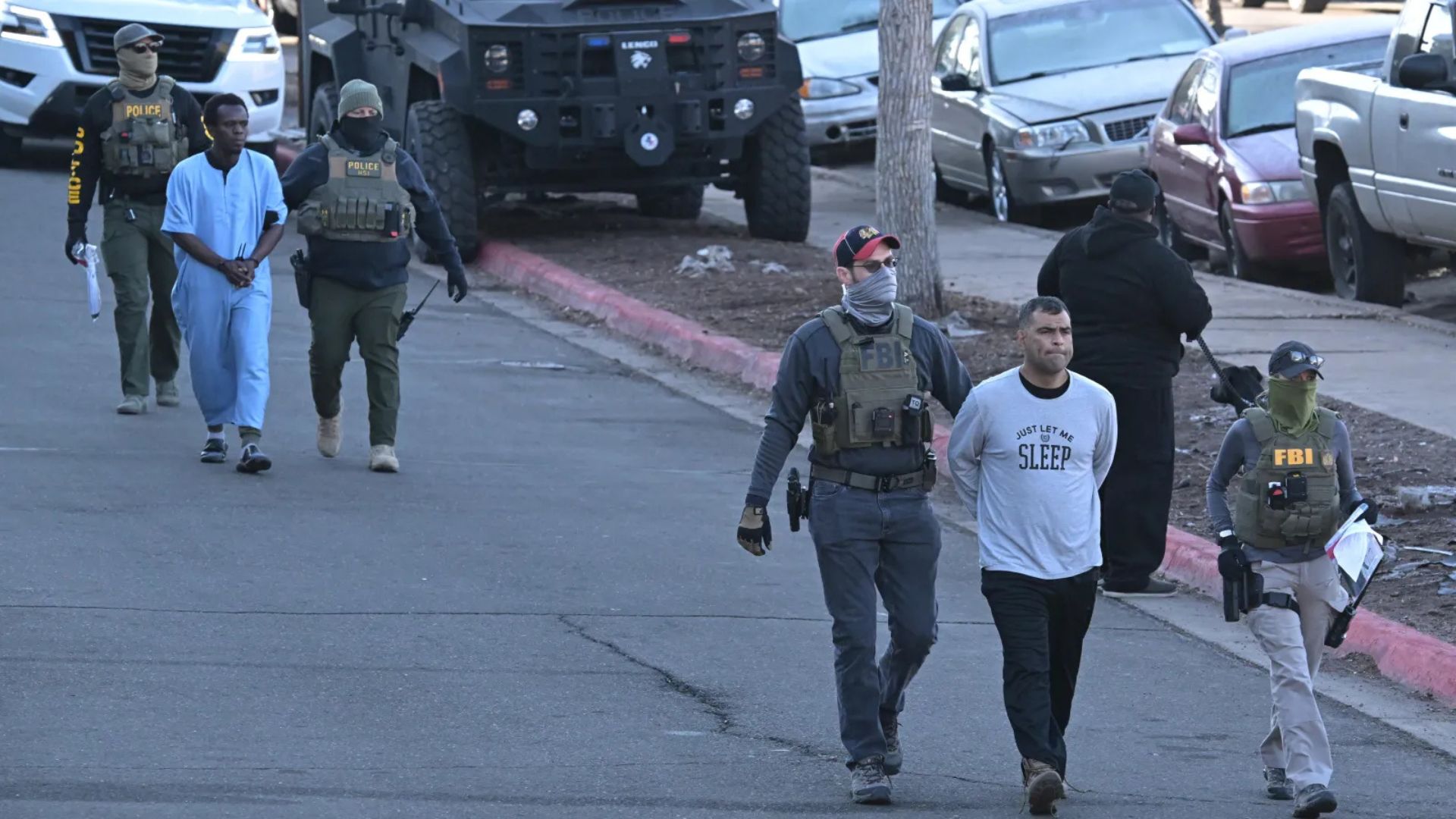
    A recent deportation case in Denver has drawn national attention and raised urgent questions about immigration enforcement, legal rights, and community safety. According to 9NEWS, federal immigration authorities detained a man from Honduras in February 2025 during a Denver-area raid. After months of uncertainty and legal proceedings, the man’s deportation case ended in acquittal, allowing him to remain in the United States.

    This decision comes amid ongoing debates over immigration enforcement practices in Colorado and across the nation. The acquittal provides relief for one family, but it also highlights the unpredictable nature of deportation cases and the critical importance of legal representation in immigration court.

    At Pro Forma Immigration Attorneys, our Denver legal team assists individuals and families in navigating complex deportation proceedings with skill and urgency. If you or a loved one is facing a Denver deportation case, contact us today at (303) 481-3494 for immediate legal support.

    Choosing the Right Denver Deportation Lawyer for Your Case

    Facing deportation in Denver can be one of the most overwhelming experiences of a person’s life. The outcome of a removal case often decides whether an individual remains with their family in the United States or faces separation and return to a country they may not have lived in for years. Choosing the Denver deportation lawyers at Pro Forma is not just hiring someone with a law degree; it is selecting an attorney who understands immigration court procedures, local enforcement patterns, and the rapidly changing federal policies that impact Colorado residents.

    Why Experience Matters in Denver Deportation Defense

    Immigration law is one of the most complex areas of the U.S. legal system. According to the American Immigration Council, deportation cases often involve intricate statutes, overlapping regulations, and fast-moving timelines that can catch families off guard. An experienced Denver deportation lawyer knows how to navigate these challenges, file timely motions, and argue effectively before immigration judges.

    Knowledge of Denver Immigration Court Procedures

    The Denver Immigration Court handles hundreds of cases each month, and each judge has specific approaches to scheduling, filings, and evidentiary requirements. Lawyers who regularly appear in Denver immigration court understand these expectations and can anticipate potential issues before they arise. This insight allows clients to avoid unnecessary delays or procedural errors that could weaken their defense.

    Building Credibility With Local Judges

    Attorneys who frequently represent clients in Denver immigration court also build professional reputations with judges and opposing counsel. While no lawyer can guarantee an outcome, having established credibility can increase the weight of their arguments. Judges know when they are hearing from a lawyer who consistently files well-prepared motions and presents strong evidence. That reliability can play a subtle but meaningful role in shaping the progress of a deportation defense case.

    Familiarity With ICE Practices in Colorado

    Since Immigration and Customs Enforcement (ICE) conducts frequent raids and arrests in the Denver area, understanding local enforcement practices is crucial. A knowledgeable deportation attorney knows how to contact ICE Enforcement and Removal Operations, how to file emergency stay requests, and how to negotiate for bond hearings. This local familiarity often makes the difference in stopping a sudden deportation order.

    Evaluating the Qualifications of a Deportation Lawyer in Denver

    When selecting a Denver immigration attorney, qualifications go far beyond education. While all immigration lawyers must be licensed, only some have specialized experience in deportation defense.

    Legal Certifications and Professional Memberships

    Attorneys who are members of the American Immigration Lawyers Association (AILA) often demonstrate a commitment to staying updated on immigration law. AILA provides continuing legal education and publishes resources that guide lawyers through the latest federal rulings and policies. Clients should ask whether their attorney participates in these professional organizations, as this can indicate an ongoing investment in deportation defense work.

    Success in Past Deportation and Removal Cases

    While no past case can predict the outcome of another, an attorney’s track record provides insight into their skills and strategies. Prospective clients may ask how many Denver deportation cases the lawyer has handled and what types of relief they have successfully obtained, such as asylum, cancellation of removal, or prosecutorial discretion. The U.S. Department of Justice maintains statistics on immigration court outcomes, and reviewing these numbers can help contextualize an attorney’s experience.

    The Importance of Communication and Cultural Understanding

    Deportation cases often involve families under extreme emotional stress. For many immigrants, English may not be their first language, and cultural barriers can complicate communication with legal professionals.

    Language Accessibility in Denver Immigration Law Firms

    Many Denver deportation lawyers offer services in Spanish and other languages commonly spoken in Colorado. Access to translators or bilingual staff ensures that clients understand every stage of their case. Resources such as the Colorado Immigrant Rights Coalition emphasize the importance of clear communication between attorneys and immigrant communities.

    Providing Support Beyond the Courtroom

    A strong deportation lawyer also recognizes that families need more than legal advice. They often connect clients with nonprofit organizations such as RAICES or Rocky Mountain Immigrant Advocacy Network to find housing, food, or mental health support during the stress of immigration proceedings. This holistic approach can reduce the emotional burden of facing deportation while improving the chances of success in court.

    How to Research and Compare Denver Deportation Lawyers

    Prospective clients should conduct careful research before selecting legal representation. Immigration law is a federal field, but local experience remains invaluable.

    Checking Online Legal Directories

    Websites such as Avvo and Martindale-Hubbell allow individuals to review ratings and disciplinary records of immigration attorneys. These platforms provide transparency about a lawyer’s history, peer reviews, and client testimonials.

    Consulting With Community and Advocacy Groups

    Immigrant advocacy groups in Denver frequently maintain lists of trusted attorneys who have successfully defended deportation cases. Organizations like Servicios de La Raza and Catholic Charities of Denver often provide referrals or legal clinics where families can meet lawyers before hiring them privately.

    The Value of a Free Consultation

    Many deportation attorneys in Denver offer free or low-cost initial consultations. These meetings give potential clients the opportunity to ask about the lawyer’s experience, strategies, and fees. They also provide a chance to evaluate whether the attorney is empathetic, trustworthy, and prepared to fight aggressively for the client’s rights.

    What to Do After an ICE Arrest in Denver, Colorado

    What to Do After an ICE Arrest in Denver, Colorado

    An ICE arrest in Denver can change your life in a matter of minutes. Immigration and Customs Enforcement officers may detain someone at home, at work, or even outside of a courthouse. For families, the sudden disappearance of a loved one into federal custody creates fear and uncertainty about what happens next. Acting quickly with the right steps can determine whether you remain in the United States while your case is resolved or face immediate deportation proceedings.

    Immediate Steps to Take After a Denver ICE Arrest

    The hours after an arrest are often the most critical. Without fast action, detainees may be transferred out of state, making communication with family and lawyers extremely difficult.

    Locate the Detained Person Quickly

    Families should first confirm where the person is being held. The ICE Detainee Locator System allows you to search by name, country of birth, or A-number if available. However, records are not always updated right away. In these situations, immigration lawyers in Denver use direct contact with ICE Enforcement and Removal Operations to confirm the detainee’s location.

    Why Speed Matters in Location Searches

    ICE frequently moves detainees between facilities, and once someone is sent outside Colorado, court hearings become harder to attend. Quick verification allows attorneys to request bond hearings or file emergency motions before a transfer takes place.

    Contact a Denver Immigration Lawyer Immediately

    Legal representation is essential. According to the American Immigration Council, immigrants with lawyers are far more likely to succeed in their cases than those without. An experienced Denver deportation attorney can intervene right away, request stays of removal, and negotiate for release while the case proceeds.

    Understanding Your Rights During a Denver ICE Detention

    Even in federal custody, immigrants retain constitutional protections. Knowing and asserting these rights can prevent mistakes that harm your case.

    The Right to Remain Silent

    You are not required to answer questions about your birthplace, immigration status, or how you entered the country. The ACLU stresses that asserting your Fifth Amendment right can protect you from giving information that ICE may use against you in immigration court.

    Avoiding Self-Incrimination Through Statements

    Even casual answers can damage a defense. Immigration agents may later present these statements as evidence during removal proceedings. Staying silent until you have a lawyer prevents unnecessary risk.

    The Right to Legal Representation

    While immigration proceedings are civil rather than criminal, you still have the right to hire an attorney. Courts do not provide free lawyers, but many nonprofit organizations, such as the Rocky Mountain Immigrant Advocacy Network, help connect families with legal aid. Having a lawyer present from the start improves the chances of release and successful defense strategies.

    Legal Strategies After a Denver ICE Arrest

    A Denver immigration attorney will quickly review your background to determine what relief may be available. Several legal options exist depending on how long you have lived in the United States, your family ties, and whether you qualify for humanitarian protection.

    Filing an Emergency Stay of Removal

    If you have a prior deportation order, ICE may attempt to remove you quickly. Lawyers can file an emergency stay of removal that temporarily halts deportation. This filing requires strong legal arguments and supporting documentation, which must be submitted to the Board of Immigration Appeals or a federal court.

    Supporting Evidence for a Stay Request

    Attorneys often include affidavits from family members, medical records, and evidence of community involvement to show why removal would cause extreme hardship. The Executive Office for Immigration Review provides procedures for reviewing urgent filings, but preparation by a qualified Denver deportation lawyer is essential.

    Requesting a Bond Hearing in Denver Immigration Court

    A bond hearing allows detainees to request release from custody while their deportation case continues. Judges consider whether the person is a flight risk or a danger to the community. Evidence of steady employment, stable housing, and strong community ties can help convince a judge to grant bond.

    How Bond Decisions Impact Deportation Defense

    Securing release through bond not only allows families to reunite but also provides time for attorneys to gather evidence, consult experts, and build a stronger case for relief. The Immigration Equality organization notes that individuals with legal counsel at bond hearings are far more likely to be released.

    How Families Can Support a Loved One After an ICE Arrest

    Family members play a vital role in deportation defense. Collecting records, staying informed, and maintaining contact with the attorney all help strengthen the case.

    Gathering Documents for the Attorney

    Immigration lawyers often request documents such as birth certificates of U.S. citizen children, medical records, financial statements, and proof of community involvement. These records demonstrate the hardship that deportation would cause, which is a key factor in many legal defenses.

    The Importance of Medical and Psychological Records

    If a family member relies on the detainee for medical or psychological support, documentation from doctors and therapists can be powerful evidence. Courts consider the emotional and health-related impact of deportation when deciding whether to grant relief.

    Staying Connected During Detention

    Phone calls, letters, and visits help detainees remain informed and emotionally supported. Families can also provide lawyers with updates about changing circumstances, such as new medical diagnoses or family emergencies, that may strengthen the legal defense.

    Defenses Against Deportation in Denver Immigration Court

    Defenses Against Deportation in Denver Immigration Court

    When someone faces deportation in Denver immigration court, the stakes are incredibly high. A removal order can separate families, end careers, and send individuals back to dangerous conditions. Fortunately, U.S. immigration law provides multiple defenses that may allow people to remain in the country. Working with a Denver deportation lawyer ensures that each possible form of relief is evaluated and presented effectively before the court.

    Asylum as a Defense to Deportation

    Asylum is one of the most common forms of protection available to people who fear returning to their home country. Under U.S. law, individuals may apply for asylum if they can demonstrate a credible fear of persecution based on race, religion, nationality, political opinion, or membership in a particular social group.

    Proving a Credible Fear of Persecution

    Applicants must provide evidence showing why they cannot safely return to their home country. This evidence often includes personal testimony, country condition reports, and documentation of threats or past harm. The U.S. Citizenship and Immigration Services explains that asylum claims must typically be filed within one year of arriving in the United States, although exceptions exist for extraordinary circumstances.

    The Role of Credible Fear Interviews

    If detained, individuals may undergo a credible fear interview conducted by an asylum officer. Passing this interview allows the case to move forward in immigration court. Having a Denver deportation attorney prepare applicants for these interviews is vital, since inconsistencies in statements can undermine the entire case.

    Cancellation of Removal for Long-Term Residents

    Another important defense against deportation in Denver involves cancellation of removal. This form of relief is available to certain lawful permanent residents and undocumented individuals who meet strict eligibility requirements.

    Cancellation of Removal for Non-Permanent Residents

    Non-permanent residents must demonstrate at least ten years of continuous physical presence in the United States, good moral character, and that deportation would cause exceptional and extremely unusual hardship to a U.S. citizen or lawful permanent resident spouse, parent, or child. The Executive Office for Immigration Review provides detailed criteria for these cases.

    Demonstrating Exceptional Hardship in Court

    Judges evaluate hardship claims based on medical needs, educational disruption, financial stability, and the emotional well-being of qualifying relatives. Families often present medical records, school reports, and testimony from psychologists or community leaders to strengthen their case. Denver deportation lawyers frequently collaborate with professionals to create comprehensive hardship arguments.

    U Visas and T Visas as Humanitarian Relief

    Some individuals may qualify for relief if they have been victims of crime or trafficking in the United States. These humanitarian programs encourage immigrants to cooperate with law enforcement without fear of deportation.

    U Visas for Crime Victims

    A U visa may be available to those who suffered substantial physical or psychological harm due to crimes such as domestic violence or assault. Applicants must also demonstrate that they assisted law enforcement in the investigation or prosecution of the crime. The U.S. Department of State provides information about this program, which can eventually lead to lawful permanent residency.

    Required Certification From Law Enforcement

    The application process requires a signed certification from a police department or prosecutor confirming the applicant’s cooperation. Without this form, USCIS will deny the petition. Lawyers in Denver assist clients in contacting the appropriate agencies and securing the required documents.

    T Visas for Victims of Trafficking

    Victims of human trafficking may be eligible for a T visa, which provides legal status and a path to permanent residency. This defense can be life-changing for individuals who were forced into labor or exploitation. Advocacy organizations such as Polaris provide resources for trafficking survivors.

    Temporary Protected Status and Other Humanitarian Defenses

    Temporary Protected Status (TPS) is available for nationals of countries experiencing armed conflict, environmental disaster, or other extraordinary conditions. The Department of Homeland Security maintains a list of countries currently designated for TPS.

    Deferred Action and Prosecutorial Discretion

    In some cases, immigration prosecutors may exercise discretion to close or pause a case. This can happen when removal does not serve public interest, such as when the individual has strong community ties or no criminal history. Denver immigration lawyers often negotiate with government attorneys to secure these outcomes.

    The Value of Prosecutorial Discretion in Denver Deportation Cases

    While prosecutorial discretion does not provide permanent legal status, it allows individuals to remain in the country without immediate removal. This relief can buy time while waiting for a visa petition or humanitarian application to be processed.

    The Importance of Evidence in Deportation Defense

    No matter which defense applies, evidence plays a central role in the Denver immigration court. Strong documentation helps judges see the human impact of deportation and the legal grounds for relief.

    Collecting Supporting Documents

    Attorneys typically request birth certificates, medical records, financial statements, and affidavits from family members or community leaders. The Immigrant Legal Resource Center offers guidance on the types of evidence that strengthen deportation defenses.

    Expert Testimony in Complex Cases

    In some situations, expert witnesses such as psychologists, medical doctors, or country condition specialists provide testimony. Their professional insight adds credibility and detail to the case, which can persuade judges to grant relief.

    Contact a Denver Deportation Lawyer Today

    If you or a loved one faces deportation in Denver, you do not need to go through the process alone. The uncertainty of immigration court, the fear of family separation, and the pressure of strict deadlines can feel overwhelming. Having a skilled Denver deportation attorney on your side gives you the strength and legal knowledge needed to fight for your future.

    At Pro Forma Immigration Attorneys, we stand with individuals and families during the most difficult moments of their lives. Our legal team has experience handling deportation defense in Denver immigration court, filing emergency motions after ICE arrests, and presenting strong cases for relief such as asylum, cancellation of removal, and humanitarian visas. We provide compassionate guidance, personalized strategies, and aggressive advocacy to protect your rights.

    Call us today at (303) 481-3494 or visit our contact page to schedule a confidential consultation. Time is critical in deportation cases, and acting now can make all the difference. Let our Denver deportation lawyers fight for you and your family.

  • Colorado’s Stance on Sanctuary Policies, Governor’s Reply to DOJ Letter

    Colorado’s Stance on Sanctuary Policies, Governor’s Reply to DOJ Letter

    Colorado’s Stance on Sanctuary Policies, Governor’s Reply to DOJ Letter

    Sanctuary policies in Denver remain at the center of a heated national debate after Governor Jared Polis sent a letter to the U.S. Department of Justice on August 4, 2025, urging the federal government to reconsider its efforts to eliminate local protections for immigrants. According to CBS News Colorado, Polis defended Colorado’s stance on limiting cooperation with federal immigration enforcement and argued that local law enforcement should not be compelled to act as extensions of federal agencies. His response has sparked both praise and criticism, with immigrant rights advocates highlighting the importance of these policies in building community trust while opponents argue that they undermine national immigration laws.

    This renewed spotlight on sanctuary policies comes at a critical time for Denver families who continue to face uncertainty about their future. From recent Immigration and Customs Enforcement (ICE) operations in the city to ongoing courtroom battles, questions about immigrant rights and federal enforcement powers are now more urgent than ever.

    If you or a loved one is worried about how sanctuary policies and federal enforcement could affect your family, the experienced team at Pro Forma Immigration Attorneys is here to help. Our Denver immigration lawyers are committed to protecting your rights and guiding you through every step of the immigration process. Call us today at (303) 481-3494 to speak with an attorney about your options.

    The Benefits of Hiring a Skilled Denver Immigration Lawyer for Court Representation

    Immigration court is one of the most challenging legal arenas in the United States. Unlike criminal cases, individuals facing deportation are not automatically provided with a government-funded lawyer, which leaves many immigrants attempting to represent themselves without adequate legal knowledge. According to the American Immigration Council, immigrants with legal representation are far more likely to succeed in their cases than those who appear in court alone. This reality underscores the importance of hiring a skilled Denver immigration lawyer like Pro Forma who understands how to navigate the complex immigration court system and advocate effectively for your rights.

    Why Representation in Denver Immigration Court Matters

    The Denver Immigration Court is part of the Executive Office for Immigration Review (EOIR), a federal agency overseen by the U.S. Department of Justice. Proceedings can involve high-stakes issues such as deportation, asylum claims, cancellation of removal, or adjustment of status. These cases are legally and emotionally demanding, often requiring detailed evidence, expert testimony, and a deep understanding of immigration statutes. Without a Denver immigration lawyer guiding you, the risk of procedural mistakes and negative outcomes increases significantly.

    How Immigration Court Differs From Criminal Court

    Immigration proceedings are civil in nature, not criminal. This means that the constitutional protections provided in criminal trials, such as the right to a court-appointed attorney, do not automatically apply. Instead, individuals must secure their legal representation. The EOIR Practice Manual emphasizes that immigration law is highly specialized, and even small errors in filings or deadlines can result in removal orders. A Denver immigration lawyer provides the experience and preparation necessary to protect your legal standing.

    The Consequences of Proceeding Without Counsel

    Studies have shown that immigrants who lack legal representation face overwhelming disadvantages. According to research cited by the American Bar Association, individuals without attorneys are far less likely to win asylum, secure bond, or avoid deportation. In Denver, where the immigration court docket is consistently heavy, judges expect clear, well-documented arguments. Without a lawyer, families risk separation, loss of status, and permanent exclusion from the United States.

    Why Representation in Denver Immigration Court Matters

    The Role of a Denver Immigration Lawyer in Building a Strong Case

    A skilled Denver immigration lawyer goes beyond showing up on the day of the hearing. They prepare comprehensive case strategies, gather supporting documentation, and ensure that every filing meets the strict procedural requirements of federal immigration courts.

    Gathering Evidence and Documentation

    One of the most critical steps in an immigration case is compiling evidence to support your claim. This may include affidavits from family members, proof of continuous residence, employment records, country condition reports, or medical documentation. The U.S. Citizenship and Immigration Services provides detailed requirements for petitions and applications, but without legal guidance, many individuals fail to submit complete or persuasive records. A Denver immigration lawyer ensures that all evidence aligns with legal standards and supports your claim effectively.

    Using Country Condition Reports to Support Asylum

    When pursuing asylum or withholding of removal, demonstrating the conditions in your home country is crucial. The U.S. Department of State publishes annual country condition reports that describe political, social, and human rights issues worldwide. A Denver immigration lawyer knows how to present this information strategically, connecting the documented conditions to your personal experience and demonstrating that returning would place you in danger.

    Preparing Clients for Testimony and Hearings

    Testimony often plays a central role in immigration court. Clients must explain their circumstances clearly, answer questions from the government attorney, and respond to inquiries from the judge. Without preparation, testimony may come across as inconsistent or incomplete. Legal experts at the Immigrant Legal Resource Center stress the importance of guided preparation, where attorneys help clients practice responses, anticipate difficult questions, and maintain credibility under pressure.

    The Importance of Interpreters in Court

    Language barriers can create serious challenges during hearings. The EOIR provides interpreters, but a Denver immigration lawyer ensures that the interpreter accurately conveys your testimony and that any mistranslations are corrected on the record. Inaccurate translation can alter the meaning of testimony and potentially harm your case. An attorney is your safeguard against these risks, ensuring the court receives a faithful account of your story.

    How a Denver Immigration Lawyer Advocates for Bond and Release

    Beyond the courtroom, many individuals face detention while their cases are pending. Being held in detention can severely impact your ability to prepare your defense and remain connected with your family.

    Requesting a Bond Hearing

    A Denver immigration lawyer can file for a bond hearing, giving you the opportunity to be released from custody while your case continues. The Immigration Equality legal guide explains that having a lawyer present at a bond hearing significantly improves the likelihood of release. Attorneys prepare detailed evidence showing that you are not a flight risk or a danger to the community, which can influence the judge’s decision.

    Evidence That Strengthens a Bond Request

    Bond hearings require strong supporting documentation. A Denver immigration lawyer may present proof of stable housing, employment verification, community involvement, or medical records demonstrating special needs. Each piece of evidence builds a picture of reliability and community ties, increasing the chances of securing release.

    Letters of Support From Community Leaders

    Letters from employers, clergy, educators, or neighbors can carry substantial weight in a bond hearing. These letters provide first-hand accounts of your character and contributions to the community. A skilled Denver immigration lawyer coordinates with supporters to draft persuasive letters that highlight your trustworthiness and the harm detention causes your family.

    Denver Immigration Court

    Why Local Experience in Denver Immigration Court Makes a Difference

    Immigration law is federal, but local context matters. Judges, court staff, and detention facilities in Denver have their own procedures and tendencies. A lawyer with experience in the Denver Immigration Court knows how to adapt strategies to local practices, anticipate common challenges, and use this familiarity to benefit clients.

    Understanding the Denver Immigration Court Docket

    The Denver court often faces backlogs, which can delay hearings and prolong uncertainty for families. According to the Transactional Records Access Clearinghouse at Syracuse University, immigration court backlogs across the nation have reached record highs. A Denver immigration lawyer understands how to navigate these delays strategically, ensuring your case remains on track despite scheduling challenges.

    Anticipating Local Enforcement Practices

    Enforcement activity in Denver, including ICE raids and courthouse arrests, often influences the pace and pressure of immigration cases. A local Denver immigration lawyer is familiar with these enforcement trends and prepares clients accordingly, creating defense strategies that anticipate federal tactics.

    When to Contact a Denver Immigration Lawyer for Green Card Assistance

    Securing a green card is one of the most important milestones in the immigration journey. A lawful permanent resident card opens the door to long-term stability, work opportunities, and eventually U.S. citizenship. However, the path to a green card is rarely simple. The U.S. Citizenship and Immigration Services outlines multiple eligibility categories, strict documentation requirements, and potential interviews. Even a small mistake can delay or derail the process. For individuals and families in Colorado, working with a skilled Denver immigration lawyer ensures that every step is handled correctly and that your case is presented as strongly as possible.

    The Right Time to Seek Help With a Green Card Application

    Many people wait until they receive a denial or a request for evidence before contacting an attorney. This delay often makes the process more stressful and costly. The truth is that a Denver immigration lawyer can provide value as soon as you begin thinking about applying. From assessing eligibility to preparing documentation, legal guidance can prevent the setbacks that often occur when people try to manage the system on their own.

    Understanding Family-Based Green Card Options

    Family-based green cards are among the most common immigration pathways in the United States. The U.S. Department of State manages the visa bulletin system that determines wait times for relatives of U.S. citizens and permanent residents. A Denver immigration lawyer helps families understand priority dates, filing deadlines, and which relatives qualify under federal law.

    Proving a Genuine Family Relationship

    One of the biggest hurdles in family-based cases is proving that the marriage or relationship is authentic. The USCIS reviews evidence such as joint financial records, photographs, leases, and affidavits from friends and relatives. A Denver immigration lawyer guides clients in gathering the right type of documentation and presenting it in a way that meets government standards.

    Preparing for a Marriage-Based Green Card Interview

    Marriage-based applicants often face in-person interviews with immigration officers. The American Immigration Lawyers Association stresses that preparation is critical, as inconsistent or nervous answers can create doubts about the legitimacy of a marriage. A Denver immigration lawyer helps couples practice for these interviews, anticipate potential questions, and avoid mistakes that could lead to denial.

    Employment-Based Green Card Applications

    Employers can also sponsor workers for permanent residency, but the process involves multiple agencies and steps. The U.S. Department of Labor requires certification to prove that no qualified U.S. workers are available for the position. A Denver immigration lawyer works with both employers and employees to complete the labor certification process and file the appropriate petitions with USCIS.

    Handling Specialty Occupations and Advanced Degrees

    Some green card categories prioritize individuals with advanced skills, higher education, or extraordinary abilities. The Migration Policy Institute notes that these categories are highly competitive, with strict evidentiary standards. A Denver immigration lawyer ensures that applicants present strong evidence, such as publications, awards, or letters from industry leaders, to strengthen their case.

    Humanitarian Pathways to a Green Card

    Beyond family and employment, humanitarian options provide critical relief for vulnerable groups. Refugees, asylees, and survivors of crimes may all be eligible for permanent residency after meeting specific requirements. The National Immigration Forum highlights how these pathways protect people fleeing persecution or violence. A Denver immigration lawyer assists in proving eligibility, filing timely applications, and addressing complex legal challenges in humanitarian cases.

    Adjustment of Status Versus Consular Processing

    Some applicants can apply for permanent residency while already in the United States through adjustment of status, while others must complete consular processing abroad. Each path has distinct timelines and risks. The USCIS provides official guidance, but the rules can be confusing for families unfamiliar with legal language. A Denver immigration lawyer helps determine which option applies to your situation and ensures that all procedural requirements are met.

    Avoiding Delays in Consular Processing

    Delays are common when dealing with consulates, especially when additional security checks are required. The U.S. Department of State’s Visa Status Check allows applicants to monitor progress, but cases can stall without clear explanations. An experienced Denver immigration lawyer can intervene, communicate with consular officials, and push for a resolution when cases become stuck.

    Overcoming Challenges and Legal Obstacles

    Green card applications are often denied due to technical errors, missing evidence, or eligibility issues. Appealing or reopening a denied case requires careful legal strategy.

    Responding to Requests for Evidence

    USCIS frequently issues Requests for Evidence (RFEs) when applications are incomplete or unclear. According to the Catholic Legal Immigration Network, timely and thorough responses are critical to avoid denial. A Denver immigration lawyer prepares strong responses with supplemental documents and legal arguments to satisfy the agency’s concerns.

    Waivers for Inadmissibility

    Applicants may face grounds of inadmissibility, such as unlawful presence or past immigration violations. In these cases, a waiver may be necessary. The Immigrant Legal Resource Center provides guidance on common waiver applications, but success depends heavily on strong evidence of hardship to U.S. citizen or resident family members. A Denver immigration lawyer crafts compelling waiver requests with affidavits, medical records, and financial documentation.

    Demonstrating Exceptional Hardship

    The hardship standard requires proving that a U.S. citizen or lawful permanent resident relative would suffer more than normal emotional or financial strain if the applicant were denied a green card. This is a high bar to meet. A Denver immigration lawyer collaborates with medical professionals, therapists, and financial experts to build a comprehensive hardship case that meets the expectations of USCIS officers and immigration judges.

    Why Local Legal Help in Denver Is Essential

    Although immigration law is federal, local context matters greatly. The Denver immigration court and local USCIS field office follow national guidelines but also have unique procedures and case backlogs. A lawyer who practices in Denver understands the local trends, office practices, and community resources available to support applicants.

    Addressing Delays at the Denver USCIS Field Office

    Processing times vary significantly by location. The USCIS Case Processing Times tool shows how Denver compares to other jurisdictions, and in many cases, applicants face long waits. A Denver immigration lawyer tracks your case status, follows up with USCIS, and files service requests when delays become unreasonable.

    Coordinating With Local Community Resources

    Many Denver organizations, such as the Colorado Immigrant Rights Coalition and Servicios de La Raza, provide education and support for immigrants. Partnering with a local Denver immigration lawyer ensures that you receive both legal and community support, strengthening your case and easing the stress of the process.

    Why Acting Quickly With a Denver Immigration Lawyer Can Save Your Case

    Immigration cases often move faster than families realize, and delays in finding representation can have lasting consequences. Whether you are facing deportation, applying for a green card, or seeking asylum, the timeline for action is often short. According to the Executive Office for Immigration Review, immigration courts handle hundreds of thousands of cases every year, and those who wait too long to secure legal help risk missing deadlines that cannot be reopened. Working with a Denver immigration lawyer early gives you the best chance to preserve your rights, avoid mistakes, and keep your family together.

    The Importance of Immediate Legal Action

    Time is one of the most valuable resources in an immigration case. From the moment you receive a notice to appear in court or an arrest warrant from Immigration and Customs Enforcement (ICE), the clock starts running. A Denver immigration lawyer can step in quickly to file motions, request hearings, and challenge unlawful detentions before it is too late.

    What Happens if You Miss Filing Deadlines

    USCIS and EOIR set strict deadlines for applications and appeals. Missing even one filing date can result in automatic denials or final removal orders. The U.S. Citizenship and Immigration Services warns applicants that late submissions are rarely excused. A Denver immigration lawyer ensures that every petition, motion, and appeal is filed on time and properly formatted, preventing cases from being dismissed due to technicalities.

    Examples of Common Filing Deadlines

    Deadlines vary depending on the type of case. Asylum seekers must generally apply within one year of entering the United States, while appeals of removal orders must be filed within 30 days. Bond requests should be made as soon as possible after detention, and some humanitarian protections, such as Temporary Protected Status, have specific application windows published by the Department of Homeland Security. A Denver immigration lawyer keeps track of these critical dates so that you do not miss opportunities for relief.

    Why USCIS Denies Late Applications

    Late applications are not just inconvenient; they can permanently close off immigration options. The American Immigration Council reports that individuals who miss deadlines are often barred from relief even if they otherwise qualify. By contacting a Denver immigration lawyer early, you can avoid unnecessary denials and preserve eligibility for immigration benefits.

    How Quick Action Can Stop Deportation

    One of the most urgent situations is when ICE initiates deportation proceedings. Without a rapid response, removal can happen in days or weeks. A Denver immigration lawyer provides the immediate intervention necessary to protect your right to remain in the United States while your case is reviewed.

    Filing Emergency Stays of Removal

    An emergency stay of removal temporarily halts deportation. The Board of Immigration Appeals allows attorneys to file these motions when clients face imminent removal. A Denver immigration lawyer prepares and files stays quickly, supported by evidence of hardship, eligibility for relief, or ongoing appeals.

    The Role of Motions to Reopen or Reconsider

    In addition to stays, attorneys may file motions to reopen closed cases or reconsider past rulings. The National Immigration Project emphasizes that these motions require detailed legal arguments and supporting documents. Acting quickly is critical because once deportation occurs, reopening a case becomes much more difficult.

    Preventing Deportation Before It Happens

    Speed matters because deportation can separate families permanently. With an attorney involved early, you can prevent removal before it takes place, rather than trying to undo it after the fact. A Denver immigration lawyer works to stop deportation efforts at the earliest stage possible, preserving your ability to fight your case inside the country.

    Protecting Your Right to Asylum or Other Relief

    Applying for asylum, cancellation of removal, or humanitarian protection requires detailed preparation. Waiting until the last minute often leaves applicants with incomplete cases, weak evidence, and lower chances of success.

    Building a Strong Asylum Claim From the Start

    Asylum law requires applicants to demonstrate a credible fear of persecution. The Human Rights First asylum guide explains that courts look for detailed testimony, supporting country condition reports, and corroborating evidence. A Denver immigration lawyer ensures that these elements are collected and presented before your first hearing, increasing the likelihood of approval.

    Why Waiting Weakens Your Evidence

    Over time, important evidence can be lost. Witnesses move, documents become unavailable, and memories fade. The Immigrant Legal Resource Center warns that waiting to act reduces the quality of evidence available to support claims. A Denver immigration lawyer helps secure affidavits, records, and expert reports immediately, preserving them for your case.

    The Role of Credible Fear Interviews

    For asylum seekers detained at the border or inside the United States, a credible fear interview may occur within days. These interviews determine whether you can pursue asylum before an immigration judge. Without preparation, applicants risk providing inconsistent or incomplete answers. A Denver immigration lawyer helps clients prepare, ensuring that testimony is truthful, detailed, and persuasive.

    How Acting Quickly Protects Your Family’s Stability

    Immigration cases affect not just individuals but entire households. Acting fast to secure legal help is often the difference between family unity and separation.

    Securing Bond to Reunite With Loved Ones

    When a family member is detained, obtaining bond quickly allows them to return home while the case continues. According to Immigration Equality, bond requests succeed more often when an attorney presents evidence of community ties and stability. A Denver immigration lawyer can file for bond immediately, giving families the chance to reunite sooner.

    Protecting Children in Mixed-Status Families

    In Denver, many households include both U.S. citizens and undocumented members. The Migration Policy Institute reports that millions of U.S.-born children live with at least one undocumented parent. Acting quickly with a Denver immigration lawyer protects these families from sudden disruptions, helping parents secure legal options that safeguard their children’s futures.

    Preventing Long-Term Consequences for Minors

    When parents are deported without preparation, children may face foster care placement, financial hardship, or trauma. Early intervention from a Denver immigration lawyer ensures that families create emergency plans, apply for relief, and reduce the risk of life-altering consequences for minors.

    Contact a Denver Immigration Lawyer Today

    Immigration challenges can change your life in an instant. From ICE raids to deportation hearings, the stakes are too high to face alone. With so much on the line, working with a trusted Denver immigration lawyer gives you the guidance, protection, and advocacy you need. Every day you wait is another day your family’s future may be at risk, but the right legal team can take immediate action to keep you safe and protect your rights.

    At Pro Forma Immigration Attorneys, we fight for Denver families with urgency and compassion. Our attorneys understand the pressures immigrant communities face, and we provide personalized strategies that address your unique situation. Whether you need defense in immigration court, help applying for a green card, or protection after a recent enforcement action, our team is ready to act quickly on your behalf.

    Call us today at (303) 481-3494 or visit our contact page to schedule a confidential consultation. We are here to stand by you, protect your future, and guide you through every step of the immigration process.

  • ICE Detains a Family that Showed up for Denver Immigration Court

    ICE Detains a Family that Showed up for Denver Immigration Court

    ICE Detains a Family that Showed up for Denver Immigration Court

    According to CPR News, ICE detained a family that showed up to court. The recent Immigration and Customs Enforcement operations in Denver have left many immigrant families anxious, uncertain, and searching for answers. On May 29, 2025, ICE agents carried out surprise raids across multiple apartment buildings in the Denver area, including actions connected to the Denver Immigration Court. Reports indicate that residents faced unannounced visits, with some families experiencing detentions that could lead to deportation proceedings. These enforcement actions have sparked serious concerns about due process, civil rights, and the need for immediate legal protection.

    For individuals and families affected by these events, acting quickly is essential. Immigration law is complex, and enforcement operations can move fast. Having a knowledgeable Denver immigration lawyer on your side can mean the difference between facing deportation alone and having a strong legal defense prepared from day one. At Pro Forma Immigration Attorneys, we help clients challenge unlawful detentions, prepare emergency motions, and explore every available form of relief under U.S. immigration law. Our office is based in Denver, and we are ready to respond immediately when enforcement actions disrupt your life. You can call us at (303) 481-3494 or visit our contact page for urgent assistance.

    Denver Immigration Attorneys Who Handle ICE Arrests

    When ICE arrests occur in Denver, time is your most valuable resource. The hours immediately after a detention often determine whether an individual remains in custody or secures release while their case moves forward. A Denver immigration lawyer experienced in handling ICE arrests can step in quickly to protect your rights, stop unlawful deportation attempts, and develop a legal strategy tailored to your circumstances.

    At Pro Forma Immigration Attorneys, we respond immediately to client calls, locate detained family members, contact ICE Enforcement and Removal Operations, and file emergency requests for stays of removal. Our approach addresses both the legal defense and the emotional impact of an arrest, ensuring that clients receive comprehensive support.

    Immediate Legal Action After an ICE Arrest in Denver

    Every minute counts when ICE takes someone into custody. Without fast intervention, an individual may be transferred to a detention facility outside Colorado, making it harder for family members and lawyers to communicate with them. Our attorneys act quickly to verify the detainee’s location, request access for legal consultation, and file the necessary paperwork to slow down removal proceedings.

    Locating Detained Family Members

    ICE detention can happen without warning, leaving loved ones unsure where a family member is being held. We use the ICE Detainee Locator System and direct calls to Enforcement and Removal Operations to confirm a detainee’s location. Once we know where they are, we begin the legal process to secure their release or prepare their defense.

    Filing Emergency Stay of Removal Requests

    If a client already has a final order of removal, ICE can deport them quickly. We prepare and file emergency stay requests with supporting evidence to temporarily halt deportation while we pursue legal relief such as asylum, cancellation of removal, or other available protections.

    Building a Strong Defense for ICE Arrest Cases

    An ICE arrest does not automatically mean deportation. Many clients are eligible for forms of relief that allow them to remain in the United States legally. Our legal team reviews every case individually, looking at family ties, length of time in the country, humanitarian factors, and any past legal history to determine the strongest defense strategy.

    Preparing Evidence and Court Filings

    We gather documentation such as affidavits from family members, proof of community involvement, medical records, and expert opinions to strengthen our client’s case. We prepare comprehensive court filings designed to present the strongest possible argument for relief before an immigration judge.

    Representing Clients at Bond Hearings

    Whenever possible, we request a bond hearing to secure our client’s release from detention while their case is pending. A successful bond request allows individuals to return home, continue working, and prepare for court alongside their families.

    Protecting Families and Communities

    Our mission is not only to provide legal defense but also to protect the stability of families and the safety of communities. We work with local organizations, faith groups, and advocacy coalitions to ensure that clients have the resources they need during and after their cases.

    If ICE has detained you or someone you love in Denver, the most important step you can take is to contact an experienced immigration attorney right away. Call (303) 481-3494 to speak directly with a skilled Denver immigration lawyer who can help you protect your rights and your future.

    How Can a Denver Immigration Lawyer Help If ICE Detains You

    Being detained by Immigration and Customs Enforcement is one of the most stressful situations a person can face. Many people in Denver do not know what to expect after an ICE arrest or how quickly the process can move. The truth is that legal representation can change the entire course of a case, from the first detention hearing to the final decision in immigration court. Working with a skilled Denver immigration lawyer can help you understand your rights, fight for your release, and explore every possible path to remain in the United States.

    At Pro Forma Immigration Attorneys, we believe every client deserves a strong, personalized defense. We take immediate action to challenge unlawful detentions, negotiate with ICE, and protect our clients from being removed before they have a fair chance to present their case.

    Why Immediate Legal Action Is Critical After an ICE Arrest

    When ICE detains someone in Denver, the legal process can begin within hours. This fast pace means that delays in getting a lawyer can limit your options for relief. According to the American Immigration Council, people with legal representation are far more likely to succeed in immigration court than those who try to represent themselves.

    Our attorneys contact ICE Enforcement and Removal Operations immediately to confirm the detainee’s location and legal status. We then take steps to prevent rapid deportation, such as filing an emergency stay of removal or requesting a bond hearing before the immigration judge. This early intervention often determines whether a person remains in the United States during their case or is deported before their legal options can be fully explored.

    Locating the Detained Person Quickly

    One of the first challenges families face is not knowing where their loved one has been taken. The ICE Detainee Locator System can be a starting point, but it is not always updated right away. Our firm makes direct calls to detention facilities and uses legal channels to confirm a client’s location as fast as possible. This step is essential for scheduling legal visits and starting the defense process without delay.

    Stopping Rapid Deportation Efforts

    In some cases, ICE may try to remove a person within days of arrest, especially if there is a prior removal order. Our attorneys prepare emergency filings supported by affidavits, medical records, and evidence of community ties to slow down the process. The Board of Immigration Appeals allows for urgent motions in these circumstances, but the quality and completeness of the filing can determine whether the request is granted.

    Legal Strategies a Denver Immigration Lawyer Can Use

    Every case is different, but there are several legal tools and strategies that a skilled immigration lawyer can use to fight ICE detention. These include applications for asylum, cancellation of removal, and humanitarian relief, as well as bond requests to secure a client’s release while the case is pending.

    Pursuing Asylum or Other Humanitarian Relief

    If you fear returning to your home country due to persecution or serious harm, you may be eligible for asylum under U.S. law. The U.S. Citizenship and Immigration Services provides detailed guidance on asylum applications, but the process is complex and requires strong supporting evidence. We gather country condition reports, expert affidavits, and personal declarations to build the most compelling case possible.

    In addition to asylum, some clients qualify for protections such as Temporary Protected Status or relief under the Violence Against Women Act. These forms of humanitarian protection can provide a pathway to remain in the country legally while also receiving work authorization.

    Requesting Cancellation of Removal

    For individuals who have lived in the United States for many years, cancellation of removal can be a powerful defense. This form of relief requires proving continuous physical presence, good moral character, and exceptional hardship to qualifying relatives if you were removed. The Executive Office for Immigration Review explains the specific criteria for these cases, and our attorneys know how to collect the evidence and testimony needed to meet these high standards.

    The Role of Bond Hearings in ICE Cases

    One of the most immediate goals after an ICE arrest is securing a client’s release on bond. A bond hearing gives an immigration judge the opportunity to set an amount that must be paid before the detainee can be released. According to Immigration Equality, having an attorney present at this hearing significantly increases the chances of being granted bond.

    Preparing for a Bond Hearing

    We prepare for bond hearings by gathering documentation that proves our client is neither a flight risk nor a danger to the community. This can include letters from employers, school records for children, proof of stable housing, and evidence of community involvement. A well-prepared bond request not only increases the chances of release but also sets a strong foundation for the rest of the immigration case.

    Life After Bond Is Granted

    Once a client is released on bond, we continue building their case for relief. Freedom from detention allows people to gather evidence, attend court dates, and work with us on their defense strategy without the added pressure of being held in a detention facility. Our goal is always to use the time after release to put the strongest possible case before the court.

    Why Choosing a Local Denver Immigration Lawyer Matters

    Immigration laws are federal, but local experience is still invaluable. A lawyer who works in Denver regularly understands the unique procedures of the Denver Immigration Court, the tendencies of local judges, and the operations of nearby detention centers. This familiarity can speed up communication, reduce delays, and improve strategic planning for your case.

    If ICE has detained you or a loved one in Denver, you do not have to face the process alone. Contact us today to connect with a dedicated Denver immigration lawyer who will fight to protect your rights and your future.

    Why ICE Conducted Raids in Denver

    The recent ICE operations in Denver have drawn attention from both local and national media, sparking debates about the purpose, scope, and legality of such actions. On May 29, 2025, multiple apartment complexes and residences connected to the Denver Immigration Court became the focus of a coordinated enforcement effort. The official explanation from Immigration and Customs Enforcement stated that the raids targeted individuals with outstanding deportation orders and certain criminal convictions. However, many community advocates and legal experts believe that the reach of the operation extended beyond those stated priorities.

    Understanding why ICE chooses specific locations and dates for enforcement helps residents, advocates, and legal professionals prepare more effectively. It also highlights the importance of knowing your rights and securing immediate legal representation when enforcement actions occur.

    ICE’s Official Enforcement Priorities

    ICE publicly states that its enforcement priorities focus on individuals who pose threats to public safety or national security. According to the U.S. Immigration and Customs Enforcement, these priorities include targeting people with felony convictions, gang affiliations, or recent unlawful border crossings. However, the agency’s reports reveal that arrests often include individuals with no criminal history.

    Public Statements About the Denver Operations

    Following the May 29 raids, ICE issued a statement to local media explaining that the operation was part of its ongoing national enforcement strategy. The statement, reported by CPR News, did not specify how many of the detained individuals had prior criminal convictions versus those detained for civil immigration violations. The lack of detailed reporting has fueled concerns about transparency and fairness in enforcement.

    Community Response to Enforcement Tactics

    Local organizations such as the Colorado Immigrant Rights Coalition have criticized the Denver raids for creating fear and confusion among immigrant families. Many community members reported that ICE agents entered residential areas without providing clear explanations or showing judicial warrants. Advocacy groups argue that such tactics discourage people from reporting crimes or cooperating with law enforcement, undermining public safety rather than enhancing it.

    The Role of Local and State Policies in Denver

    Colorado has implemented laws that limit certain types of cooperation between local law enforcement and federal immigration agencies. The Colorado Immigration Rights Act of 2019 restricts local jails from honoring ICE detainers without a judicial warrant, which has shifted ICE activity into community settings rather than detention centers.

    How Sanctuary Policies Affect ICE Strategy

    While Colorado is not officially classified as a sanctuary state by federal law, it has adopted policies that reduce the role of local authorities in federal immigration enforcement. This means that ICE often operates independently, conducting field operations in residential areas, workplaces, and public spaces. Legal experts note that this shift places greater emphasis on surprise raids, as seen in the May 29 operation, to locate individuals before information spreads through the community.

    Impact on the Denver Immigration Court System

    When ICE detains individuals in Denver, many cases move quickly into proceedings at the Denver Immigration Court. The influx of cases following large enforcement actions can overwhelm the court’s schedule, leading to delays and increased pressure on judges to make rapid decisions. This creates a challenging environment for both defense attorneys and detained individuals seeking fair hearings.

    Legal Concerns Raised by the Denver Raids

    Civil rights organizations, including the American Civil Liberties Union of Colorado, have raised questions about the legality of some tactics used during the recent enforcement action. These concerns focus on whether ICE agents entered homes without valid judicial warrants and whether residents were fully informed of their rights during encounters.

    Judicial Warrants Versus Administrative Warrants

    One of the most significant legal issues involves the difference between judicial warrants, signed by a federal judge, and administrative warrants, signed by ICE officials. Under U.S. law, only judicial warrants allow agents to enter a private residence without consent. Administrative warrants, such as Form I-200 or I-205, do not carry this authority. The Immigrant Defense Project provides detailed resources explaining this distinction, which is crucial for residents to understand.

    Fourth Amendment Protections for All Residents

    Federal courts have consistently ruled that the Fourth Amendment, which protects against unlawful searches and seizures, applies to all individuals in the United States, regardless of immigration status. This means that any evidence obtained through an unlawful entry could potentially be challenged in court. The National Immigration Law Center offers guidance on how individuals can assert these protections during ICE encounters.

    How Public Awareness Shapes Enforcement

    Media coverage and public awareness campaigns can influence how ICE conducts operations. After previous high-profile raids in Colorado, advocacy groups increased outreach efforts to educate residents about their rights. This included distributing “Know Your Rights” materials and hosting community forums with legal experts.

    Role of Advocacy and Legal Aid Organizations

    Groups such as RAICES and the Rocky Mountain Immigrant Advocacy Network have played critical roles in responding to enforcement actions. They provide emergency legal services, coordinate volunteer attorney networks, and assist families in locating detained loved ones. Collaboration between these groups and private immigration law firms strengthens the community’s ability to respond quickly and effectively.

    If you or a loved one was affected by the recent ICE raids in Denver, you do not have to face the legal system alone. The attorneys at Pro Forma Immigration Attorneys are ready to protect your rights and fight for your future. Call (303) 481-3494 for immediate assistance from an experienced Denver immigration lawyer.

    What to Do If ICE Agents Come to Your Home in Denver

    An unannounced visit from Immigration and Customs Enforcement can be alarming and confusing. Many residents do not know how to respond in a way that protects their rights while avoiding unnecessary legal risks. If ICE agents come to your door in Denver, the most important thing you can do is stay calm, avoid providing information that could harm your case, and contact a Denver immigration lawyer immediately.

    Understanding your rights before an encounter happens is critical. Organizations such as the American Civil Liberties Union and the Immigrant Legal Resource Center provide valuable resources to help you prepare for unexpected enforcement actions.

    Verifying the Identity of ICE Agents

    It is important to confirm who is at your door before you open it. ICE agents may sometimes identify themselves as police officers, which can create confusion for residents. Always ask agents to show identification and to display any warrant they claim to have.

    Checking for a Valid Judicial Warrant

    Under U.S. law, ICE agents cannot enter your home without permission unless they present a judicial warrant signed by a federal judge. Administrative warrants, such as Form I-200 or I-205, are signed by ICE officials and do not authorize forced entry. The Immigrant Defense Project recommends asking agents to slide the warrant under the door or hold it up to a window so you can inspect it without opening the door.

    Protecting Yourself Against Misrepresentation

    If an agent refuses to show a warrant or claims they do not need one, politely state that you do not consent to entry. This simple statement preserves your Fourth Amendment rights and may help your attorney challenge any evidence gathered during an unlawful entry.

    Knowing Your Right to Remain Silent

    The Fifth Amendment protects everyone in the United States, regardless of immigration status, from being compelled to answer questions that could be used against them in court. This includes questions about your birthplace, immigration status, or how you entered the country.

    How to Assert This Right

    If ICE agents question you, you can simply state that you wish to remain silent and that you want to speak to a lawyer before answering any questions. The National Immigration Law Center advises carrying a rights card that clearly states your intention to remain silent, which you can show instead of speaking.

    Avoiding Incriminating Statements

    Even seemingly harmless answers can have unintended consequences. It is always safer to remain silent until you have consulted with an attorney who can guide you on what information is safe to share.

    Avoiding Signing Documents You Do Not Understand

    During an ICE encounter, agents may present you with paperwork to sign. These documents can include voluntary departure agreements or other waivers of rights that can have permanent consequences.

    The Risks of Voluntary Departure Agreements

    Voluntary departure may sound like a less severe option, but it often includes a bar on returning to the United States for years, if not permanently. The U.S. Citizenship and Immigration Services advises that you consult with an attorney before agreeing to leave the country voluntarily.

    Requesting Translation and Legal Review

    If you are presented with documents in a language you do not understand, ask for an interpreter and legal counsel before signing anything. This protects you from agreeing to terms you do not fully comprehend.

    Documenting the Encounter

    If it is safe to do so, documenting an ICE encounter can help your lawyer build a stronger case. The Community Justice Exchange notes that photos, videos, and written notes can all be useful evidence if there is a dispute about what happened.

    Information to Record

    If you are able, note the names or badge numbers of agents, the time and place of the encounter, and any statements they make. This information can be critical if you need to challenge the legality of the arrest or the validity of the warrant in court.

    Contacting a Denver Immigration Lawyer Immediately

    The most important step after an ICE encounter is to get legal help as soon as possible. A lawyer can contact ICE, determine your next court date, and begin preparing your defense. The American Immigration Lawyers Association can be a helpful resource for finding licensed immigration attorneys, but if you are in the Denver area, Pro Forma Immigration Attorneys can provide immediate assistance.

    Contact a Denver Immigration Lawyer Today

    If you or a loved one has been impacted by ICE raids in Denver, you do not have to face this challenge alone. Immigration enforcement actions can happen without warning, leaving families frightened and uncertain about their future. The law still protects your rights, and acting quickly can preserve your legal options and stop deportation before it happens.

    At Pro Forma Immigration Attorneys, our team of experienced Denver immigration lawyers is committed to defending the immigrant community with urgency, compassion, and skill. We offer immediate legal representation for clients who have been detained, received a notice to appear in immigration court, or are seeking relief such as asylum, cancellation of removal, or humanitarian protection.

    We understand that every case is unique, which is why we provide individualized strategies designed to protect you and your family. Our services include emergency filings to halt deportation, representation at bond hearings, preparation of strong court defense packages, and ongoing legal support from start to finish.

    You deserve an attorney who will fight for your rights and your future. Call us now at (303) 481-3494 or visit our contact page to schedule a confidential consultation. We offer bilingual support, compassionate guidance, and the legal strength you need during this critical time. Your future matters, and we are here to protect it

  • Recent ICE Raids in Denver

    Recent ICE Raids in Denver

    Recent ICE Raids in Denver

    Federal immigration agents carried out a series of surprise raids across apartment buildings in the Denver area, sparking community concern and raising serious legal questions. The recent Immigration and Customs Enforcement (ICE) operations targeted undocumented residents in multiple complexes, prompting a wave of fear and uncertainty among local immigrant families, according to NBC News. These raids have not only reignited national debates about immigration enforcement tactics but have also brought renewed urgency to the need for legal representation and community education.

    In the wake of these events, immigrant rights groups, legal aid organizations, and Denver-area attorneys are mobilizing to provide support and guidance. For those directly impacted, knowing your legal rights and options is essential. If ICE agents visited your residence or detained someone you know, you are not alone, and there are critical steps you can take to protect your future.

    At Pro Forma Immigration Attorneys, we stand with the Denver community during this difficult time. Our experienced legal team helps clients challenge unlawful detentions, file emergency motions, and explore all available forms of relief under U.S. immigration law. If you or a loved one has been affected by the recent ICE enforcement actions, contact our firm at (303) 481-3494.

    Why Did ICE Conduct Raids in Denver

    The recent ICE operations in Denver have stirred widespread alarm, with many residents and advocacy groups questioning the reasoning and legality behind these actions. While the federal government maintains that the raids targeted individuals with outstanding deportation orders or criminal convictions, immigration attorneys and civil rights organizations argue that these sweeps appear indiscriminate and overly aggressive.

    Federal agents raided several apartment buildings without providing clear explanations or warrants to tenants. Community leaders across Colorado are now demanding answers about the scope and legality of these enforcement efforts.

    ICE Statements and Public Justifications

    ICE officials have defended the raids by citing internal enforcement priorities and a focus on national security. In a statement issued shortly after the Denver operations, the agency emphasized that its mission is to identify, arrest, and remove individuals who pose a threat to public safety. However, they declined to release specific details about the individuals targeted in Denver.

    On its official ICE Newsroom, the agency routinely publishes enforcement updates but does not always clarify which cases involve prior criminal convictions versus civil immigration violations. Critics argue that the lack of transparency makes it difficult for communities to understand the true intent behind these operations.

    Community Reactions and Legal Pushback

    Legal professionals, immigrant rights groups, and elected officials in Denver have voiced strong opposition to the raids. Many argue that these actions create fear-based environments that discourage people from seeking help, reporting crimes, or participating in public life.

    The American Civil Liberties Union of Colorado issued a public statement condemning the raids as excessive and deeply harmful to immigrant families. They highlighted concerns about warrantless searches, racial profiling, and the psychological toll on children and parents alike.

    Several Colorado lawmakers, including members of the state’s Latino legislative caucus, have also spoken out. They are calling for congressional hearings and independent investigations into the legality of ICE’s actions in residential apartment complexes.

    Legal Authority and Limitations on ICE Activity

    Under current federal law, ICE has broad enforcement powers, but those powers are not unlimited. Immigration agents must follow constitutional procedures when entering private residences, which typically requires either a valid judicial warrant or the consent of the occupant.

    According to the National Immigration Law Center, residents have the right to refuse entry unless agents present a warrant signed by a judge. Administrative warrants, which ICE often uses, do not carry the same legal authority as judicial ones.

    Federal courts have consistently ruled that Fourth Amendment protections apply to all individuals on U.S. soil, regardless of immigration status. This means that unlawful searches or detentions may be challenged in court, and in some cases, may result in the suppression of evidence or dismissal of charges.

    Past Enforcement Trends in Colorado

    The Denver metropolitan area has seen periodic immigration enforcement actions in past years, though this recent operation appears to be one of the largest residential sweeps in recent memory. In 2019, ICE conducted a series of raids in Colorado and Wyoming, arresting over 40 individuals across multiple counties. Those raids were publicly announced and coordinated with local law enforcement.

    However, the 2025 apartment sweeps took many residents by surprise. Unlike previous efforts, this series of raids occurred with little public warning and targeted multiple locations within a narrow timeframe. Legal observers believe this strategy was designed to maximize arrests before word could spread.

    Coverage by the Denver Post and Colorado Public Radio has shed light on the timing, scale, and emotional impact of the raids, drawing attention from national media and immigration advocates across the country.

    The Role of Local Governments and Sanctuary Policies

    Colorado law limits cooperation between local law enforcement and federal immigration agencies in many cases. The state passed the Colorado Immigration Rights Act in 2019, which restricts local jails from honoring ICE detainers without a judicial warrant. This has led ICE to conduct more field operations in public spaces and residential areas where local authorities have less jurisdiction.

    Despite these protections, immigration enforcement remains a complex area where federal, state, and municipal policies often collide. Advocacy groups like the Colorado Immigrant Rights Coalition (CIRC) continue to press for expanded sanctuary policies and greater legal protections for immigrant residents.

    In the case of the recent Denver raids, local officials have clarified that city police were not involved in the planning or execution of the operations. Nevertheless, many community members still view these actions as a direct threat to their sense of safety and belonging.

    What to Do If ICE Raids Your Home in Denver

    Knowing your rights is essential if immigration agents come to your door. Whether you are undocumented, hold temporary protected status, or are a legal permanent resident, you have constitutional protections under U.S. law. ICE agents often rely on misinformation, confusion, or intimidation to gain access to homes or to secure admissions that can lead to deportation. Understanding how to respond during these high-pressure moments can help protect your freedom and your family’s safety.

    Organizations like the American Immigration Lawyers Association, the National Immigration Law Center, and RAICES provide resources for individuals at risk of ICE encounters. However, personalized legal support remains the most powerful form of protection.

    Do Not Open the Door Without a Judicial Warrant

    ICE agents often knock on doors claiming to be police officers or officials with legitimate government business. In many cases, they use administrative warrants that do not authorize entry into a private residence. Only a judicial warrant signed by a judge grants ICE the legal right to enter your home without consent.

    According to the Immigrant Defense Project, you should ask agents to slide the warrant under the door or hold it up to a window. Check for a judge’s signature and verify the name and address. If the document is signed by “ICE” or “Department of Homeland Security” but not a judge, it does not authorize forced entry.

    You have the legal right to refuse entry unless the warrant meets all judicial criteria. Politely say, “I do not consent to entry,” and do not unlock your door. Record the interaction if it is safe to do so, and contact an immigration attorney immediately.

    Remain Silent and Do Not Sign Anything

    Even if agents enter your home or question you at your door, you are not required to answer questions about your immigration status, place of birth, or how you entered the country. You have the right to remain silent under the Fifth Amendment of the U.S. Constitution.

    Legal experts at Immigration Equality and Centro Legal de la Raza warn that speaking without a lawyer present can lead to statements being used against you in court. ICE may pressure you to sign documents, but you should never sign anything without consulting a lawyer. Doing so may waive your rights or agree to voluntary departure without fully understanding the consequences.

    Say clearly and calmly, “I want to speak to a lawyer,” and do not provide any additional information. Request a phone call and legal representation before speaking further with any officials.

    Understand the Difference Between Administrative and Judicial Warrants

    Many individuals confuse administrative warrants with judicial warrants, but the distinction is critical. Administrative warrants, which ICE often uses, are signed by ICE officials themselves and carry no authority to force entry into a residence. Judicial warrants are signed by federal judges and are required for nonconsensual home entry.

    The American Bar Association explains that administrative warrants usually list form numbers like I-200 or I-205. These are not valid for entry without your permission.

    If agents show you one of these forms, do not open the door. Instead, state that you do not consent and request to see a lawyer. Taking photographs or video can help your attorney later contest any unlawful search or arrest.

    How to Prepare a Family Safety Plan

    Creating a safety plan is one of the most proactive steps you can take. The Colorado Immigrant Rights Coalition recommends that families prepare emergency contact lists, designate a power of attorney for childcare, and store copies of important documents in a safe location.

    A well-structured safety plan includes identifying who will take care of your children or pets if you are detained, having your lawyer’s phone number memorized, and knowing where to go for legal help. Community organizations throughout Denver offer multilingual resources and legal aid to help families develop these plans in advance.

    Having a plan does not mean you are expecting ICE to show up. It simply means you are prepared, just as you would prepare for any emergency. Being organized in advance can minimize the trauma and chaos of a raid.

    Know How to Locate Detained Family Members

    If a family member is detained during an ICE raid, you can search for them using the ICE Detainee Locator System. This online tool allows you to search by name, country of birth, or A-number if you have it.

    However, the system is not always updated in real time. It may take several hours or days for records to appear. If you are unable to locate someone, contact an immigration attorney and consider reaching out to local legal aid clinics or the Rocky Mountain Immigrant Advocacy Network (RMIAN), which provides support to detained immigrants in Colorado.

    Legal representation can make the difference between deportation and release. Attorneys can file emergency motions, request bond hearings, and challenge the legality of arrests or detention.

    Legal Options After an ICE Raid in Denver

    If ICE detained you or someone in your household during a recent raid in Denver, you may still have multiple legal options to remain in the United States. Immigration law is complex, but it offers several forms of relief that may apply depending on your specific background, family connections, and humanitarian needs. Understanding these legal paths and acting quickly can make the difference between deportation and the ability to stay with your family.

    It is critical to contact an experienced immigration attorney as soon as possible after a raid. At Pro Forma Immigration Attorneys, we help clients evaluate all potential forms of relief and prepare comprehensive defense strategies. The sooner you act, the more time your legal team will have to collect documentation, prepare filings, and request court hearings.

    Asylum Protection for Those Fleeing Harm

    Asylum is a form of humanitarian protection available to individuals who fear persecution in their home countries. Under U.S. law, you may be eligible for asylum if you can demonstrate a credible fear of persecution based on your race, religion, nationality, political opinion, or membership in a particular social group.

    According to the U.S. Citizenship and Immigration Services (USCIS), you must generally apply for asylum within one year of entering the country, though there are exceptions for changed circumstances or extraordinary conditions. Asylum seekers can request protection affirmatively through USCIS or defensively while facing removal in immigration court.

    Even if ICE has detained you, you may still be eligible to file an asylum claim. Courts consider evidence such as country conditions, personal testimony, expert reports, and documentation of past harm or threats. Legal representation is crucial in building a compelling case.

    Credible Fear Interviews and Immigration Court

    If you are detained and express fear of returning to your home country, ICE must refer you for a credible fear interview with an asylum officer. The purpose of this interview is to determine whether you have a significant possibility of qualifying for asylum. If the officer finds you credible, you may proceed to a full hearing before an immigration judge.

    Legal experts at the American Immigration Council and Human Rights First advise detained individuals to be honest, detailed, and emotionally clear during this process. Any inconsistencies or vague answers may result in denial.

    If you are scheduled for a court hearing, your attorney can request additional time to prepare, submit supporting evidence, and represent you in proceedings.

    Cancellation of Removal for Long-Term Residents

    Another option for individuals in removal proceedings is cancellation of removal, which allows certain noncitizens to apply for lawful permanent residency if they meet specific criteria. This form of relief is especially relevant for individuals who have lived in the United States for many years and have strong family or community ties.

    The Executive Office for Immigration Review (EOIR) outlines two main categories of cancellation:

    • For lawful permanent residents who face removal due to criminal convictions
    • For undocumented individuals who have lived in the U.S. for at least 10 years, have good moral character, and can show that removal would cause exceptional hardship to a U.S. citizen or lawful permanent resident spouse, parent, or child

    Applying for cancellation of removal involves submitting a detailed application, including affidavits, financial records, medical documentation, and proof of community involvement. The judge has discretion in granting relief, so a compelling and well-documented case is essential.

    Proving Exceptional Hardship

    The hardship standard for cancellation is high. Courts look at factors such as the age and health of qualifying relatives, emotional and psychological impacts, medical needs, and educational disruption. You must demonstrate that your removal would cause more than the usual difficulties faced by families separated by deportation.

    The Immigrant Legal Resource Center (ILRC) provides resources for understanding how to build a strong hardship argument. Attorneys often work with therapists, educators, and physicians to present a full picture of the potential consequences of removal.

    U Visas for Victims of Serious Crimes

    Immigrants who have been victims of certain crimes in the United States may qualify for a U visa, which provides temporary lawful status and a path to a green card. The program was created to encourage undocumented individuals to report crimes without fear of deportation.

    According to USCIS, you may be eligible for a U visa if you meet the following requirements.

    You Suffered Substantial Physical or Mental Abuse as a Result of Criminal Activity

    To qualify for a U visa, the victim must demonstrate that they experienced significant harm due to the crime. This harm can be physical, such as injuries resulting from assault or battery, or psychological, including post-traumatic stress disorder, anxiety, or depression. U.S. Citizenship and Immigration Services (USCIS) considers the nature of the crime, the severity of the abuse, and the lasting impact on the victim’s health and well-being.

    Supporting evidence may include medical records, police reports, therapist statements, or affidavits from family members and community leaders. Victims are not required to prove a specific diagnosis but must provide enough documentation to show that the abuse was substantial. Resources from the National Center for Victims of Crime and Rape, Abuse & Incest National Network (RAINN) can guide survivors in collecting helpful evidence.

    You Cooperated With Law Enforcement or Prosecutors in the Investigation

    Another requirement for a U visa is that the victim cooperated with law enforcement or prosecutorial agencies in investigating or prosecuting the crime. This cooperation can include providing a witness statement, attending court hearings, or assisting police in identifying suspects. The law does not demand perfection, but minimal sincere efforts to assist authorities are often sufficient.

    The victim must obtain a signed certification from a law enforcement agency confirming their helpfulness. This form, known as Form I-918 Supplement B, plays a critical role in the application process. Without it, USCIS will deny the petition. Agencies like the National Immigrant Women’s Advocacy Project (NIWAP) provide templates and training materials that can help legal teams obtain this documentation from local police departments.

    The Crime Occurred Within the United States or Violated U.S. Laws

    U visas are available only to individuals who were victimized within the geographical boundaries of the United States or by a crime that violated U.S. law. This means that if a crime happened abroad but did not involve a U.S. jurisdiction or was not investigated by U.S. authorities, the applicant will not be eligible for this form of relief.

    However, in certain cross-border cases involving human trafficking, cybercrime, or travel-related offenses, the jurisdiction may fall under U.S. legal frameworks. It is important to consult a legal professional to determine whether the facts of a particular case qualify under current federal standards. The U.S. Department of State outlines additional information for victims of international crimes seeking U.S. immigration protections.

    Filing a U Visa After ICE Detention

    If ICE detained you and you believe you qualify for a U visa, it is essential to consult a lawyer immediately. You may be able to request a stay of removal or deferred action while your U visa application is pending.

    Organizations like ASISTA Immigration Assistance and Legal Momentum offer resources for immigrant survivors of violence. Your legal team can coordinate with local law enforcement to secure the required documentation and prepare a thorough application.

    Temporary Protected Status and Other Humanitarian Relief

    Some individuals may qualify for Temporary Protected Status (TPS) if their country is experiencing armed conflict, environmental disaster, or other extraordinary conditions. TPS allows individuals to remain in the U.S. legally and obtain work authorization for the duration of the designation.

    The Department of Homeland Security (DHS) regularly updates the list of countries eligible for TPS. As of 2025, countries such as Venezuela, Haiti, Ukraine, and Sudan are included.

    Other forms of humanitarian relief include Deferred Action for Childhood Arrivals (DACA), Special Immigrant Juvenile Status (SIJS) for abused or neglected minors, and VAWA self-petitions for survivors of domestic violence. Each program has its own eligibility criteria and application process.

    The Importance of Individualized Legal Strategy

    There is no one-size-fits-all solution in immigration law. Your eligibility for relief depends on your immigration history, family status, criminal background, and risk of harm if deported. An experienced attorney can evaluate all possible defenses and identify the strongest path forward.

    Legal aid organizations such as Catholic Charities of Denver and Colorado Legal Services may offer low-cost or pro bono assistance. However, due to demand, private immigration attorneys often provide faster and more personalized representation.

    How Pro Forma Immigration Attorneys Can Help You After a Denver ICE Raid

    Following an ICE raid in Denver, individuals and families often find themselves navigating an overwhelming legal maze. The stakes are incredibly high, including the risk of detention, deportation, family separation, and permanent exclusion from the United States. Pro Forma Immigration Attorneys provides urgent, strategic legal representation designed to protect your rights and guide you through every step of the immigration process.

    Our Denver-based team understands the unique challenges immigrants face during and after ICE enforcement actions. Whether you are currently detained, facing removal proceedings, or concerned about your family’s legal status, we are here to act quickly, protect your interests, and fight for your future.

    Emergency Legal Intervention and ICE Communication

    One of the most critical services our firm provides is rapid-response legal support. ICE raids often occur early in the morning or late at night, with little notice. If your loved one is taken into custody, time is of the essence. Our attorneys immediately contact ICE facilities, identify the location of the detainee, and work to halt or delay deportation proceedings.

    We assist with filing emergency stays of removal, expedited motions to reopen closed cases, and requests for bond hearings. We also communicate directly with ICE Enforcement and Removal Operations (ERO) to negotiate conditions of release. The ICE ERO Contact Directory can be used for preliminary outreach, but legal representation is often necessary to compel action.

    Filing Emergency Stay of Removal Requests

    If someone has a final order of removal, ICE may move to deport them rapidly. However, it is often possible to file a stay of removal to temporarily halt this process. At Pro Forma Immigration Attorneys, we prepare and file these emergency requests with supporting legal arguments, affidavits, and evidence of hardship or eligibility for relief.

    The Board of Immigration Appeals and U.S. District Courts have procedures in place to review urgent motions. Filing quickly and accurately is critical delays or errors can result in denial or deportation before relief is even considered.

    Customized Relief Strategies for Every Case

    No two immigration cases are the same. Our firm tailors legal strategies to each client’s specific background, history, and legal options. From asylum and cancellation of removal to U visas and prosecutorial discretion, we evaluate every possible pathway for protection and legal status.

    We understand that many individuals impacted by ICE raids live in mixed-status households, where some members may be U.S. citizens while others are undocumented. We take a holistic approach that considers family unity, medical needs, employment history, and contributions to the community.

    Preparing Immigration Court Defense Packages

    If you or your family member has been placed in removal proceedings, it is essential to prepare a strong defense package before the first hearing. Our attorneys help clients gather supporting evidence, obtain expert affidavits, draft personal declarations, and compile legal arguments to present before an immigration judge.

    We also appear in court on behalf of our clients and work to secure a bond whenever possible. Resources from the EOIR Practice Manual guide our filing procedures, but our experience and courtroom strategy are what make the difference.

    Helping Families Reunite After Detention

    ICE detention can separate parents from children, spouses from each other, and students from their schools. One of our core priorities is to help families reconnect as soon as possible. This may involve securing parole, bond, or humanitarian release, especially when the detainee is a caregiver or essential family member.

    In partnership with groups like RAICES, Kids in Need of Defense (KIND), and local Denver shelters, we support reunification efforts and provide ongoing representation until immigration status is resolved. Legal support does not end at release; we continue representing clients through their full legal process.

    Advocating for Humanitarian Release

    Humanitarian release is often available to detained individuals with serious health conditions, dependent children, or survivors of abuse and trauma. Our attorneys draft detailed release requests supported by medical records, psychological evaluations, and third-party affidavits.

    We work with immigration medical experts and social workers to create compelling arguments that satisfy ICE standards for release under Parole Authority. This process is often the first step in securing safety and stability for vulnerable individuals.

    Offering Multilingual Support and Cultural Understanding

    Legal representation is only effective when it is accessible and compassionate. Pro Forma Immigration Attorneys offers services in Spanish and other languages commonly spoken in the Denver area. We understand the cultural and emotional challenges facing immigrant communities, especially in the wake of traumatic enforcement actions.

    Our staff includes advocates and support personnel trained to work with survivors of abuse, LGBTQ+ immigrants, indigenous language speakers, and children in vulnerable situations. We partner with community organizations such as Servicios de La Raza and Colorado Immigrant Rights Coalition to ensure that clients receive both legal and holistic support.

    Know Your Rights During Immigration Enforcement

    When federal immigration agents arrive at your home or approach you in public, your response can directly affect your legal standing. Many individuals believe they must answer questions or grant access simply because someone identifies as a government agent. However, under the U.S. Constitution, all people, regardless of immigration status, have protected rights during encounters with Immigration and Customs Enforcement (ICE).

    Knowing and exercising these rights can prevent unlawful detention and protect your chances of staying in the country. This section outlines what you need to understand during ICE encounters, supported by legal authorities and resources from trusted organizations.

    You Have the Right to Remain Silent

    One of the most important rights during any ICE encounter is the right to remain silent. The Fifth Amendment protects individuals from being compelled to answer questions that may incriminate them, and this protection applies regardless of citizenship or immigration status.

    Groups like the American Civil Liberties Union (ACLU) and Immigrant Legal Resource Center emphasize that individuals should calmly say, “I choose to remain silent,” and not provide any information about their birthplace, immigration status, or how they entered the United States.

    Providing details without legal counsel present can unintentionally harm your case. ICE agents may use statements against you in court, even if they were made out of fear or confusion.

    Do Not Show False Documents

    While you have the right to remain silent, it is also critical to never provide false documentation or lie to ICE agents. Doing so may result in criminal charges, which can seriously impact your immigration options. If you do not have identification, it is better to say nothing than to fabricate documents or statements.

    The National Immigration Law Center (NILC) stresses the importance of remaining calm, silent, and truthful or choosing not to speak at all.

    You Have the Right to Refuse Entry to Your Home

    ICE agents may not enter your home without your permission unless they present a judicial warrant signed by a judge. Most warrants shown during ICE operations are administrative and do not grant agents the legal right to enter your residence without your consent.

    If agents knock on your door, ask them to slide the warrant under the door or show it through a window. Look for a signature from a judge, not simply an ICE official. If it is not a valid judicial warrant, you may say clearly, “I do not consent to entry.”

    Resources from Immigrant Defense Project and United We Dream provide guides on what a valid warrant looks like and how to respond safely during these encounters.

    Administrative Warrants Do Not Authorize Forced Entry

    An administrative warrant, such as Form I-200 or I-205, is commonly used by ICE but lacks the legal authority to enter homes. These forms are signed by ICE officers and do not carry judicial power.

    Many people mistakenly believe they must open the door when shown this type of document. However, courts have affirmed that administrative warrants do not override your Fourth Amendment rights. ICE must either obtain permission or present a judicial warrant to enter a private residence without consent.

    Knowing this distinction can protect your home and your family from unlawful searches.

    You Have the Right to Contact a Lawyer

    Everyone detained by ICE has the right to contact a lawyer before answering questions or signing any documents. Although immigration proceedings are civil rather than criminal, you still have the right to legal representation, and your attorney can make the difference between deportation and relief.

    The American Bar Association and National Immigration Project both recommend that individuals memorize a lawyer’s phone number, carry a Know Your Rights card, and have a family emergency plan that includes attorney contact information.

    Never Sign Documents Without Understanding Them

    During or after a raid, ICE may pressure individuals to sign voluntary departure agreements, waivers of rights, or expedited removal orders. These documents can have permanent consequences, including bans from reentry or disqualification from legal relief.

    If you are presented with documents in a language you do not understand, request an interpreter and legal advice. You are not obligated to sign anything without understanding its contents and implications. In many cases, refusing to sign can preserve your eligibility for relief.

    Attorneys at Pro Forma Immigration Attorneys review ICE documents immediately upon detention and work to stop any removal efforts triggered by a signed form.

    You Have the Right to Document the Encounter

    If you or a family member is approached by ICE, and it is safe to do so, you have the right to record or document the encounter. The First Amendment protects the right to take photos, videos, and notes in public spaces and from inside your home, as long as you are not interfering with law enforcement activity.

    Organizations like Witness.org and Community Justice Exchange recommend documenting badge numbers, vehicle plates, and anything agents say or do. This evidence may help your attorney contest the legality of the arrest or argue for the suppression of unlawfully obtained evidence.

    Contact Pro Forma Immigration Attorneys Today if You Were Affected by the Denver ICE Raids

    If you or a loved one has been impacted by the recent ICE raids in Denver, you do not have to navigate this crisis alone. Immigration enforcement actions can leave families frightened and uncertain, but the law still protects your rights. Acting quickly with the help of a knowledgeable immigration attorney can preserve your legal options and stop deportation before it happens.

    At Pro Forma Immigration Attorneys, we are committed to defending the Denver immigrant community with urgency, compassion, and skill. Our team provides emergency legal representation, court defense, asylum support, cancellation of removal filings, U visa applications, and much more. We understand the emotional, legal, and cultural challenges our clients face, and we are ready to stand by you.

    Our office is located in Denver, and we serve clients throughout the surrounding areas. Whether ICE visited your home, detained a family member, or issued a notice to appear in immigration court, we can help you respond with strength and strategy.

    Call us now at (303) 481-3494 or contact us online to schedule a confidential consultation. We offer immediate legal assistance and bilingual support. Your future matters. Let us help you protect it.

  • Can I appeal a decision by the US Embassy?

    The answer is yes! It might take a long time, but when the stakes are high like bringing your family over to become residents of the United States, it is worth it! The case of Patel v. Reno (134 F.3d 929 C.A.9, 1997) is an example of how immigrants and their families can appeal the decision by the U.S. Embassy.

    The old saying is “Justice Delayed is Justice Denied” – so how do I get the U.S. Embassy to make a decision on My Case?

    One of the services we provide is to follow up on delayed cases, both at the USCIS and at U.S. Embassies. Many immigrants and their families complain that they have been waiting too long to get a decision on their case. When they ask the U.S. Embassy for a status update they receive a reply that says “The Embassy is conducting further review.” Sometime the family will learn that the Embassy is doing background checks on the intending immigrants. Other times they will say that they are holding up the case while waiting for the USCIS to revoke the petitioner’s status.

    That was the case with Mohanbhai Patel, a naturalized US citizen who got his citizenship based on a marriage to a US Citizen in 1982. Shortly after he received his citizenship he divorced his first wife, travelled back to India and re-married, and then applied in 1988 for visas for his second wife and her two daughters in India. The Embassy in Mumbai believed that Mohanbhai had actually married his second wife back in 1976 and never divorced her. They conducted an investigation and concluded that Patel was naturalized under false pretenses by marrying an American citizen in 1982 while at the same time still being married to his wife in India. Based on this information, the Embassy returned the visa applications to USCIS to be revoked.

    Lawyers for Patel made many inquiries to the Embassy. These inquiries either were not returned or answered with vague assurances that a decision would be rendered soon. So in 1993, five years after filing the original I-130s, the lawyers filed a writ of mandamus (hyperlink to writ) in US Federal Court demanding that the US Embassy make a decision on the case. Rather than take the case to trial, the USCIS agreed to send the visa petitions back to the consulate in Mumbai for a final decision, and the lawyers dismissed the complaint. This was a year later, in March of 1994.

    When the USCIS sent the visas back to the Embassy, they also informed the Embassy that denaturalization proceedings had begun against Patel that would strip him of his citizenship and nullify the I-130 applications. Acting on this information, the consulate did not issue the visas. In fact, however, no denaturalization proceedings had begun against Patel. The USCIS had lied to the Embassy, apparently to prevent the applications from being approved.

    When the lawyers followed up with the Embassy three months later in June of 1994, Christine Lee, the Chief of the Immigrant Visa Unit at the consulate in Bombay, responded with a letter which explained that the INS told them that denaturalization proceedings had begun against Patel and thus “the application is refused” until the denaturalization proceedings had been completed and Patel’s eligibility to petition had been firmly established.

    The problem with that response was twofold: First, it was based on the falsehood that denaturalization proceedings had begun. Second, the agreement made in court said that the applications would be sent back to the Embassy for a decision, and now that agreement was being broken by the Embassy. So in June of 1995 the lawyers went back into Federal Court and reopened the case. They complained to the Judge that under the law the Embassy had to give them a decision on the visas. The Embassy replied by saying they had issued a letter refusing the visas and therefore had made a decision on the case.

    In October of 1995 the USCIS made good on their threat and started the denaturalization proceedings against Patel. The Federal Court judge agreed with the USCIS and the Embassy and ruled against Patel! Despite this defeat,  the lawyers filed an appeal with the 9th Circuit Court of Appeals in 1997, nine years after filing the I-130s.

  • USCIS Waivers for Extreme Hardship – new rules pending

    On October 7, 2015 the USCIS issued a draft extreme hardship policy guidance for public comment. This guidance clarifies how USCIS waivers for extreme hardship will be determined once the guidance is finalized.

    The draft guidance addresses which waivers require a showing of extreme hardship, how an applicant can establish extreme hardship to a qualifying relative, and which special circumstances often weigh heavily in favor of an extreme hardship finding, among other considerations.

    Immigrants getting green cards through marriage need to show extreme hardship for waivers when they violate the following laws:

    INA 212(a)(9)(B)(v)This provision can waive the three-year and ten-year inadmissibility bars for unlawful presence.Eligible qualifying relatives include the applicant’s U.S. citizen or LPR spouse or parentThis provision can waive inadmissibility for crimes involving moral turpitude, multiple criminal convictions, prostitution and commercialized vice, and certain serious criminal offenses for which the foreign national received immunity from prosecution. It can also waive inadmissibility for controlled substance convictions, but only when the conviction was for a single offense of simple possession of 30 grams or less of marijuana. Eligible qualifying relatives include the applicant’s U.S. citizen or LPR spouse, parent, son, or daughter.

    INA 212(i)(1) This provision can waive inadmissibility for certain types of immigration fraud. Eligible qualifying relatives include the applicant’s U.S. citizen or LPR spouse or parent

    This is a welcomed event. Immigration attorneys have been receiving denials of I-601 and I-601A waiver applications of the 3 and 10 year bar that do not reflect the law. I plan on attending the stakeholder conference on November 3, 2015 to provide USCIS with feedback on how best to adjudicate these waivers fairly.

    Here is the link to the notice document:

    10-29-15 USCIS Proposed guidance on extreme hardship memo

  • 5th Circuit Fed Appeals Court Upholds Delay Of Obama’s DACA Immigration program

    A federal appeals court ruled against President Barack Obama’s DACA immigration program, stating the negative economic impact on Texas is a valid claim.

    This decision comes nearly a year after Obama announced it as a follow up measure to DACA and Congress’ failure to enact comprehensive immigration reform. Read the decision HERE The ruling sets back the Deferred Action for Parental Accountability program, known as DACA. Obama has vowed to take it to the Supreme Court.

    In the decision the U.S. Court of Appeals for the 5th Circuit agreed with a lower court judge that Texas had standing to challenge the executive action. The appeals court accepted Texas’ argument that expanding immigration relief to include a wider class of undocumented immigrants would cause the state to “incur significant costs in issuing driver’s licenses to DACA beneficiaries” — satisfying the basic “harm” requirement for litigants seeking standing to sue. “If permitted to go into effect, DACA would enable at least 500,000 illegal aliens in Texas to satisfy that requirement with proof of lawful presence or employment authorization,” wrote U.S. Circuit Judge Jerry Smith for the 2-to-1 appeals court. “Texas subsidizes its licenses and would lose a minimum of $130.89 on each one it issued to a DACA beneficiary. Even a modest estimate would put the loss at several million dollars.” 

  • Pro Forma is moving to Denver!

    We decided to change our home office from Golden Colorado to Downtown Denver. Pro Forma will now be closer to the Denver Immigration Court and USCIS Denver District office and the Aurora Detention Center.

    Our new address is

    Pro Forma

    1624 Market Street

    Suite 202

    Denver, CO 80202